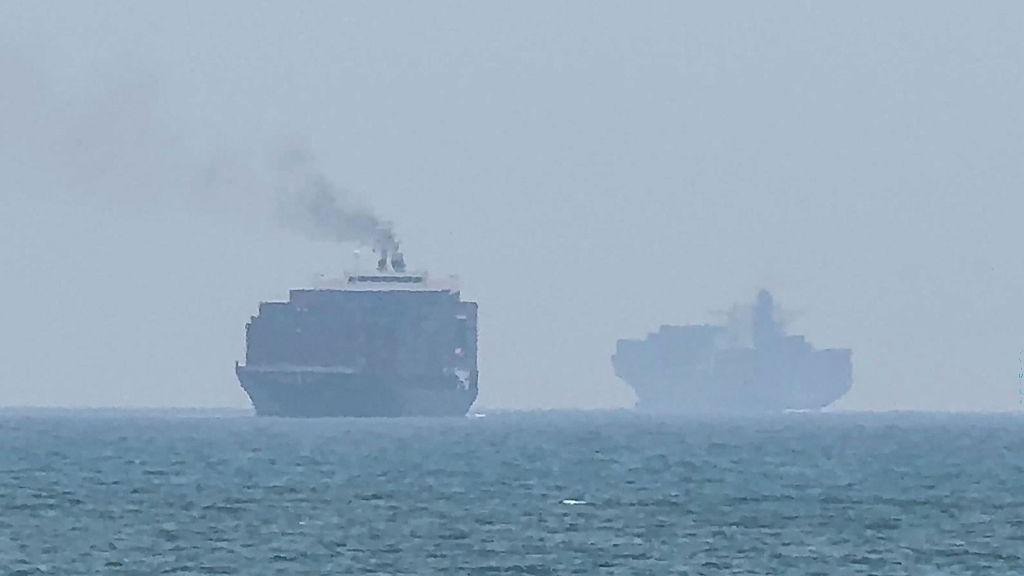
Diplomatic efforts to reopen the Strait of Hormuz have reached what officials describe as progressive stages, with mediators from multiple countries working to bridge significant gaps between Iran and the United States. However, Iran continues to insist on major American policy changes before agreeing to restore shipping through the critical waterway.
US Treasury Secretary Scott Bessent expressed cautious optimism about negotiations, telling CNBC that "there is a chance we may have a deal today or tomorrow to open the strait and move towards a more normalised position in this conflict." His remarks echoed similar statements from President Donald Trump, though Tehran quickly denied being in direct talks with Washington.
Multiple countries are involved in mediation efforts. Qatar, Pakistan, and Oman are coordinating diplomatic contacts and exchanging draft proposals between the two sides. A senior Pakistani security official said the mediators' goal is to make both parties agree to start talking. "A lot is happening in the background," the official told Reuters.
The immediate focus of negotiations centers on a temporary transit scheme that would allow ships to enter and leave the Persian Gulf through the Strait of Hormuz. Under the proposal, vessels would enter via a route near Iran and exit along the Omani coast, with both countries sharing control of the southern passage. A contentious issue involves Iran's demand to charge vessels tolls or fees, which would be negotiated during a 60-day period when Iran's nuclear program would also be addressed.
Oman has reportedly faced pressure from the United States, European nations, and Saudi Arabia to accept this arrangement. However, the Omani government has resisted the proposal, fearing it could become permanent and give Tehran lasting control over sea routes in Omani waters.
The situation reflects internal divisions within Iran's leadership. The foreign ministry appears eager to reach a deal and worries that Iran's leverage over the strait could diminish over time as shipping finds alternative routes. Regime hardliners oppose the agreement, arguing that the US cannot be trusted to honor financial commitments promised in exchange for reopening the waterway.
One regional diplomat said the regime recognizes the substantial control it holds over the strait and senses American desperation to reach an agreement. Another diplomat noted that Saudi Arabia is applying particularly heavy pressure on Oman, concerned that regional tensions could escalate into broader conflict because a significant faction in Iran opposes any deal.
The closure of the Strait of Hormuz has disrupted global energy markets. The waterway typically handles roughly one-fifth of the world's petroleum supply. Vessels have been forced to use longer alternative routes, increasing shipping costs and contributing to oil price volatility.
While both sides describe recent technical and political discussions as positive, a breakthrough remains uncertain.