The United States is intensifying military operations against Iran as the broader conflict expands across the Middle East, with multiple countries now engaged in strikes targeting energy infrastructure and military assets.
Israel has struck at least five energy sites in and around Tehran, creating thick plumes of black smoke over the capital. Iran's oil distribution company reported that four employees were killed in the airstrikes. Explosions in nearby Karaj reverberated across the region, leaving areas covered in smoke and the smell of burning oil.
In response to the Israeli strikes on energy facilities, a spokesperson for Iran's Revolutionary Guards warned of severe economic consequences. "If you can tolerate oil at more than $200 per barrel, continue this game," the IRGC official said. The Guards threatened to attack oil facilities in neighboring countries if strikes on Iran's energy infrastructure continue, accusing the US and Israel of targeting civilians and fuel facilities.
The US has sought to calm energy markets by pledging not to target Iran's oil infrastructure. Energy Secretary Chris Wright told CNN that any disruptions to petroleum and gas supplies would be brief, lasting only a few weeks at worst. Iran produces approximately 4 percent of global oil, much of it exported to China.
Iran launched fresh waves of attacks across the Gulf region on Sunday, with ballistic missiles striking toward Israel and drones targeting Saudi Arabia, the United Arab Emirates, Qatar, Bahrain and Kuwait. Saudi Arabia intercepted 15 drones, while strikes in Bahrain caused material damage to a desalination plant. Two people were killed in Al-Kharj, Saudi Arabia, after a projectile hit a residential area, and 12 others were injured.
The US military reported that a service member died from injuries sustained during an Iranian attack on American troops in Saudi Arabia, bringing the US death toll from the conflict to seven. The Trump administration is seeking billions of dollars more from Congress for operations in the region, which Defense Secretary Pete Hegseth says have already cost $37.5 billion.
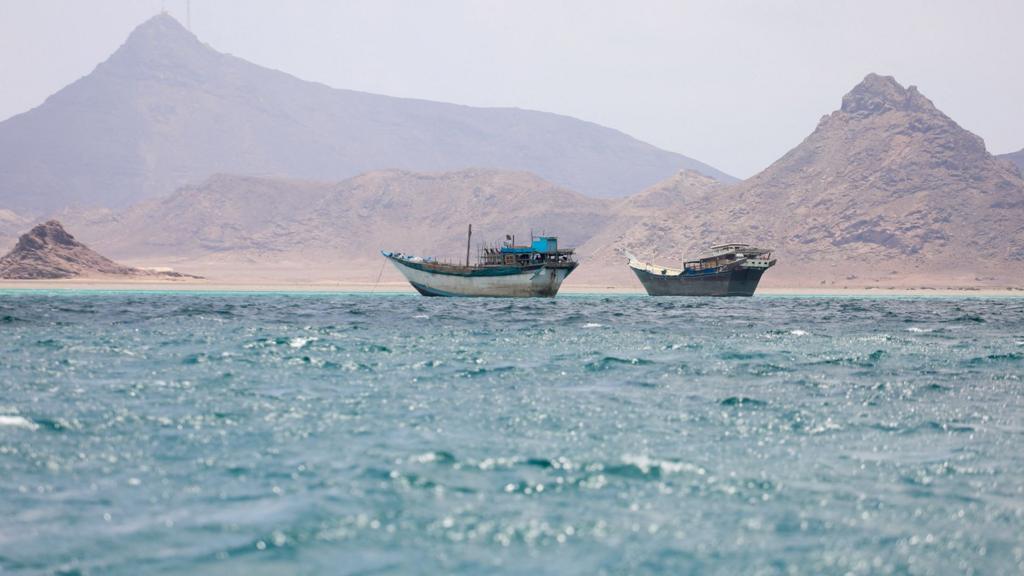
Meanwhile, Yemen's Houthi forces, backed by Iran, claimed responsibility for attacks on oil tankers in the Red Sea, one of the world's most critical shipping routes. The Houthis announced a maritime embargo against Saudi Arabia, raising concerns about disruptions to global energy markets and supply chains.
The escalating military actions coincided with significant political developments in Iran. The clerical body responsible for selecting Iran's supreme leader announced that Mojtaba Khamenei, the second son of the late supreme leader Ayatollah Ali Khamenei, would be his successor. This marks the first time since the 1979 Islamic Revolution that Iran's supreme leadership has passed from father to son.
The sustained military campaign involving multiple countries and affecting critical global trade routes represents a significant expansion of regional hostilities with potential consequences for world economies.