US military forces have conducted strikes against Iranian targets for the eighth consecutive night following the deaths of two American soldiers in Jordan, marking the first US troop fatalities from hostile fire since an April ceasefire agreement. The escalating conflict has seen both nations exchange intensive attacks over the past week, with particular focus on the strategically vital Strait of Hormuz.
The fatal attack on American personnel prompted immediate retaliation from US Central Command, which began launching strikes early Sunday. Iranian forces have responded by firing drones and missiles at US military installations in Kuwait and other locations across the Gulf region, demonstrating a commitment to sustained military action despite the costs to both sides.
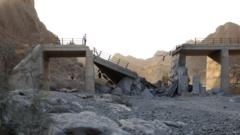
The strikes have targeted extensive areas within Iran. US forces hit bridges in the southern Hormozgan province that serve as key transit routes for Bandar Abbas, Iran's main port. American aircraft also brought down a tower at Chabahar port on the Gulf of Oman, which the US military said the Iranian Revolutionary Guard Corps used to coordinate attacks on vessels in the strait. Additional strikes damaged electrical infrastructure and Iranshahr airport.
The humanitarian toll has been significant. Iranian health ministry officials reported that renewed US strikes had killed at least 38 people and wounded more than 400 by Friday morning. The attacks on power infrastructure forced Iran's energy ministry to ask citizens to reduce electricity consumption as the power grid came under strain, with southern regions experiencing extreme heat compounded by damage to energy facilities.
Iran's Islamic Revolutionary Guard Corps has retaliated against facilities across the region, targeting sites in Bahrain, Kuwait, Jordan, Oman and Qatar. Strikes on Kuwait damaged a power and desalination plant critical to the country's water supply, as approximately 90 percent of Kuwait's drinking water comes from desalination.
The renewed fighting has disrupted shipping through the Strait of Hormuz, which handled about one-fifth of the world's oil and gas supply before the conflict. While a memorandum of understanding signed last month stated the strait should remain open, both nations have interpreted the agreement differently, leading to competing plans for maritime transit. Shipping volume has drastically reduced as violence has escalated, though most vessels that continued to transit used the Iranian-designated route.
The Iranian Revolutionary Guard Corps has threatened severe consequences for countries hosting US military bases if American attacks on infrastructure continue. The conflict has significantly impacted global energy markets, with US gas prices rising substantially. The average price of diesel fuel has exceeded $5 per gallon, while regular gas has approached $4, reflecting the instability caused by the dispute over the critical waterway.