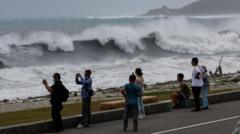
East Asia is preparing for Typhoon Bavi, a 1,000-kilometer-wide storm forecast to be among the strongest in decades. The typhoon is heading toward Taiwan and southeastern China after triggering deadly landslides in the Philippines that have killed at least 15 people. Authorities across the region have begun evacuation preparations and issued emergency warnings as the massive storm system advances.
Bavi's enormous size and projected intensity have raised concerns among meteorologists tracking the storm. The typhoon has already demonstrated its destructive power in the Philippines, where torrential rains loosened hillsides and triggered the fatal landslides. Emergency response teams are working to account for additional casualties and provide aid to affected communities.
Taiwan and coastal provinces in southeastern China are now directly in Bavi's projected path. Government agencies in both areas have activated emergency response protocols. Residents in vulnerable coastal regions are being urged to secure property, stock emergency supplies, and prepare for potential evacuations. Transportation networks, including airports and rail lines, are expected to face significant disruptions as the storm approaches.
The timing of Bavi comes during an already active typhoon season in the western Pacific. The region has experienced several severe weather events in recent months, straining emergency response resources and infrastructure. Climate scientists have noted that warming ocean temperatures in the Pacific have contributed to more intense tropical cyclones, though each storm system develops under unique conditions.
Authorities in Taiwan have begun deploying military personnel to assist with storm preparations, while Chinese officials have ordered fishing vessels to return to port. The storm's wide diameter means that even areas not directly in its center could experience hurricane-force winds and flooding. Weather services are continuing to track Bavi's movement and are expected to provide updated forecasts as the typhoon approaches landfall in the coming days.