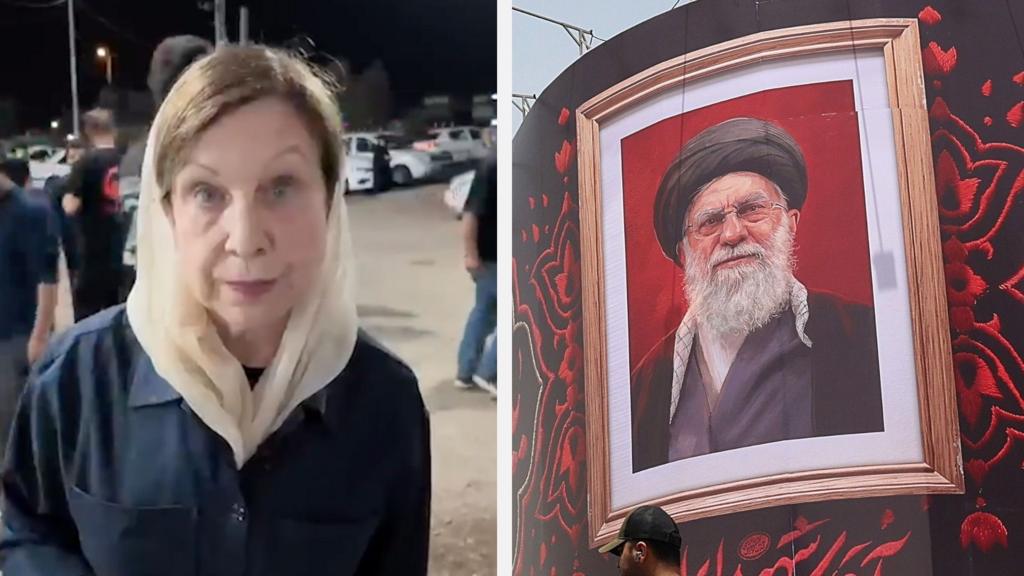
Thousands of mourners converged on Tehran's Grand Mosalla mosque as Iran began a week of funeral ceremonies for Ayatollah Ali Khamenei, the former supreme leader who was killed in February during U.S.-Israeli airstrikes. By early morning, crowds had waited through the night to enter the sprawling mosque, with many traveling for hours to pay their respects.
Khamenei, 86, led Iran for more than three decades before his assassination. The funeral also honored other family members killed in the same raid, including his 14-month-old granddaughter. By 8 a.m., the open-air mosque held approximately 10,000 people, separated into equal sections for men and women. The crowds chanted "Death to America" and "Death to Israel" as they mourned the slain leader.
The scale of the multi-day funeral reflects Iran's efforts to convey messages of resistance and national loss. Authorities expect up to 30 million people may attend events across six days and five cities. At the request of Iraqi politicians, Khamenei's body will also be carried through the Iraqi Shia cities of Karbala and Najaf.
The ceremonies featured religious songs, the national anthem, and eulogies traditionally reserved for martyrs. Men wept openly and beat their chests in anguish during the emotional proceedings. Revolutionary and religious music blared from competing sound systems before dawn. Throughout the grounds, yellow Hezbollah flags and Iranian flags were visible among the mourners. Hundreds of free food stations offered water, lemonade, kebabs, soup, and other refreshments to sustain those attending in the intense heat, which reached 36 degrees Celsius by midday.
One mourner, Fatima Khavari, expressed her grief, saying: "I felt like I had been crushed on the head when our leader was killed. He is the only true guide we have known."
However, the massive funeral did not represent all Iranians. While women attending the mosque wore traditional chadars, many women elsewhere in Tehran did not wear headscarves. Some Iranians chose not to attend the ceremonies, with traffic leaving the capital remaining busy despite government calls for participation.
A notable absence marked the proceedings: Mojtaba Khamenei, Ali Khamenei's designated successor, did not appear at the funeral on the second day of mourning. Three of Khamenei's other sons attended the funeral prayers, but the absence of his chosen heir drew significant attention. Iranian officials have not explained why Mojtaba Khamenei has not made a public appearance at the major national event.
The funeral comes more than four months after Khamenei's death in what sources describe as coordinated attacks marking a significant escalation in hostilities between Iran and the West. The ceremony demonstrated the scale of public mourning while also reflecting anger over his death, with crowds expressing demands for retaliation.