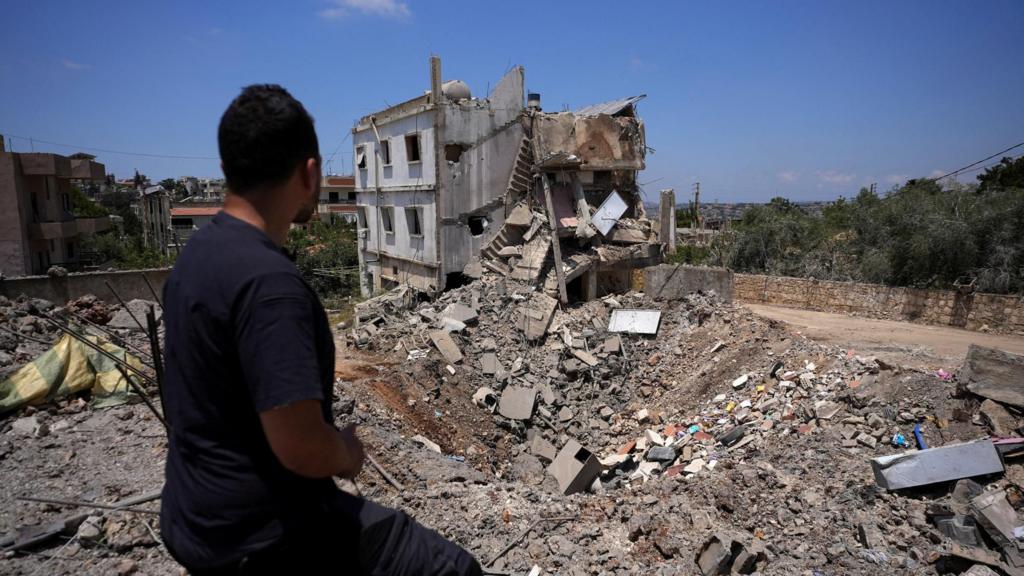
A framework peace agreement between the United States and Iran has been announced, bringing the 15-week conflict to a tentative end. However, the deal's terms remain contentious, particularly regarding Israeli military operations in Lebanon.
Iran's Supreme National Security Council stated that military operations on all fronts, including Lebanon, would end permanently starting Monday. The initial memorandum of understanding is scheduled for a ceremonial signing Friday in Geneva, with Pakistan serving as mediator.
President Trump announced on Truth Social that the agreement includes reopening the strait of Hormuz and removing the US naval blockade. "Ships of the World, start your engines. Let the oil flow!" he wrote. However, Trump later clarified that reopening the strait would depend on signing the initial memorandum on Friday.
According to leaked drafts, the memorandum will trigger an immediate 60-day period of intensive technical talks. During this time, negotiators will address the most contentious issues, including Iran's nuclear program and sanctions relief. Iran's deputy foreign minister Kazem Gharibabadi confirmed that negotiators would seek a broader agreement including sanctions relief for Iran.
The news of reopening the strait, through which a fifth of the world's oil and liquid gas passes, sent stock markets higher and oil prices lower. Iran had closed the waterway to most shipping early in the conflict.
The US delegation will include Vice President JD Vance at the signing ceremony. Iran's delegation is expected to include Mohammad Bagher Ghalibaf, the parliamentary speaker and lead negotiator, and Abbas Araghchi, the foreign minister.
Israel has fiercely resisted Lebanon's inclusion in the deal, where its forces have mounted a sweeping offensive and occupied southern territory. Trump called for Israeli restraint after fresh airstrikes on Beirut. Reports suggested Trump made minor last-minute concessions after an Israeli strike to allow the deal to proceed.
Prime Minister Benjamin Netanyahu has offered no official response. Israeli officials appear disappointed that Iran's support for regional militant movements, including Hezbollah, and its ballistic missile arsenal are reportedly not on the agenda for final negotiations.
Experts warn that reaching a comprehensive agreement on complex nuclear issues within the short timeframe seems unlikely, suggesting negotiations may extend beyond initial timelines. Iran seeks sanctions relief and access to billions in frozen assets, crucial for addressing economic crisis at home.
Some Republicans have expressed skepticism, demanding more details. Senator Lindsey Graham welcomed the deal but said he would watch nuclear negotiations closely, noting that any nuclear agreement must be sent to Congress for review and a vote.
The agreement also raises unresolved questions about tolling arrangements on the strait of Hormuz, which the US has long considered unacceptable.