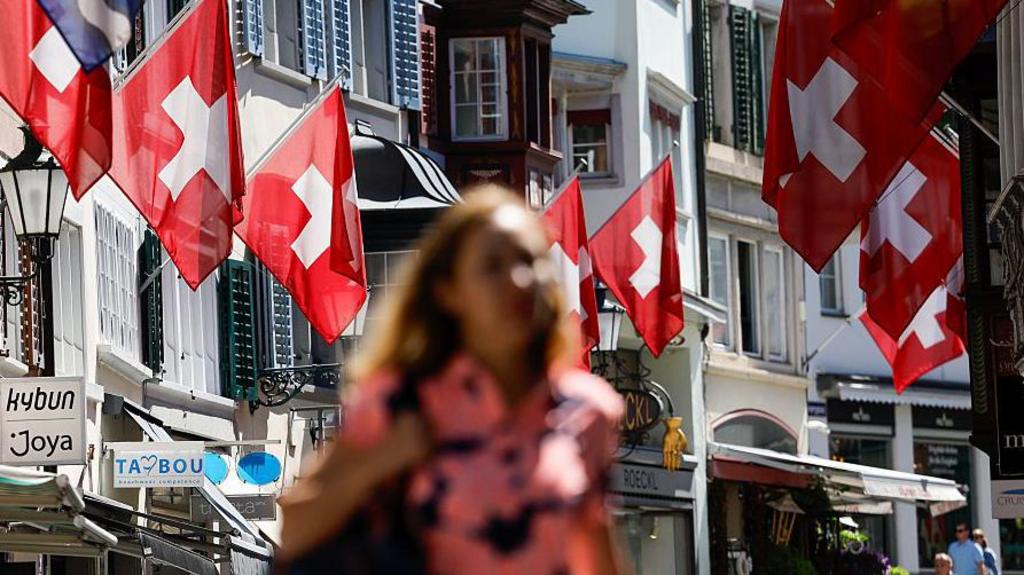
Swiss voters are deciding this weekend on a controversial initiative from the far-right Swiss People's Party that would limit the country's population to 10 million. The current population stands at approximately 9.1 million.
The proposal would require the Swiss government to implement restrictions if the permanent population reaches 9.5 million. These restrictions would target newcomers, including asylum seekers and family members of foreign residents. If the population reaches 10 million, further measures would take effect. If numbers do not decline, the government would be required to withdraw from its free-movement agreement with the European Union, Switzerland's largest export market.
The initiative reflects concerns about rapid population growth straining infrastructure and services. Switzerland's population has grown about five times faster than average in surrounding EU member states over the past decade, driven by economic success that attracts both skilled workers and corporate professionals. About 27% of Swiss residents are not citizens.
The SVP, the country's largest political party, frames the measure as addressing what it calls a "population explosion" that is inflating housing costs and overwhelming public services. The party has campaigned heavily against immigration through its history of electoral success since 1999.
Switzerland's system of direct democracy allows citizens to propose popular initiatives that reach a ballot if they collect 100,000 signatures within 18 months. Only about 10% of such initiatives pass, though a December poll showed 48% of voters supported this one, indicating deep divisions about the country's immigration approach.
Opposition to the measure comes from major multinational corporations including Roche, UBS, and Nestlé, as well as from parliament and business organizations. Opponents warn the proposal would jeopardize bilateral agreements with the EU that underpin Switzerland's prosperity. Economiesuisse, a leading business lobby, has called it the "chaos initiative," warning that Swiss companies depend on EU and European workers. Many firms would relocate abroad if unable to recruit them, damaging tax revenue and public services.
About half of Switzerland's exports go to the EU, making these economic relationships critical. Business groups also point out that population growth stems primarily from natural increase and longer life expectancy rather than immigration alone, meaning restrictions may prove ineffective.
Previous far-right proposals from the SVP, including automatic deportation for minor offenses and ending free movement with the EU, have not gained sufficient support at the ballot.
Results from this weekend's vote will be announced after polls close. The outcome will likely influence European debates over immigration policy and population management.