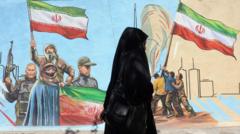
President Trump said the United States would hit Iran "hard" again, warning Tehran "will have to pay the price" for delaying negotiations on a potential agreement. The threat came after the president claimed Iran was "playing us for suckers" by drawing out talks, though he provided no specifics about what terms were being discussed or what would trigger the promised strikes.
The renewed military threat followed a day in which Trump had expressed optimism about reaching a deal, marking another sharp reversal in the administration's messaging on Iran. According to a CNN analysis, Trump has claimed a deal was "close" at least 38 times since the conflict began, yet no agreement has materialized. This pattern of oscillating between threats of escalation and predictions of imminent peace has characterized the administration's approach to Iran for weeks, leaving both allies and adversaries uncertain about whether the U.S. intends to pursue diplomacy or military action.
The latest escalation occurred after the U.S. military fired on an oil tanker called the Settebello in the Gulf of Oman. The vessel was attempting to transport oil from Iran in violation of a U.S. blockade on Iranian ports. The strike resulted in three Indian sailors going missing and 21 crew members being rescued, prompting a diplomatic protest from India. The incident underscores how the ongoing conflict continues to disrupt international shipping and regional stability.
In response to the latest American threats, Tehran vowed retaliation for any new attacks. Iranian officials have not publicly addressed the specific timeline or conditions Trump referenced in his recent statements. The conflict has already disrupted oil transport through the Gulf, a crucial waterway for global energy supplies, contributing to rising inflation that has reached 4.2 percent annually as of May, according to recent data.
Pentagon investigations into military operations in the conflict have raised questions about targeting procedures and intelligence accuracy. Military planners generate target lists from databases using artificial intelligence tools, but it remains unclear whether each target was verified before strikes were carried out. Designating buildings as targets involves specialized analysts working years in advance with layers of oversight, though targets may not be reviewed again until a strike is considered.
White House spokesperson Anna Kelly said in a statement that investigations into specific incidents are ongoing, noting that "unlike the terrorist Iranian regime, the United States does not target civilians."
The uncertainty surrounding U.S. policy has left international observers struggling to predict whether the administration will ultimately pursue a negotiated settlement or continue military operations. Trump's comments suggested growing frustration with negotiating timelines, but the administration has disclosed limited details about what a potential agreement would require or what steps Iran must take to avoid further military action.