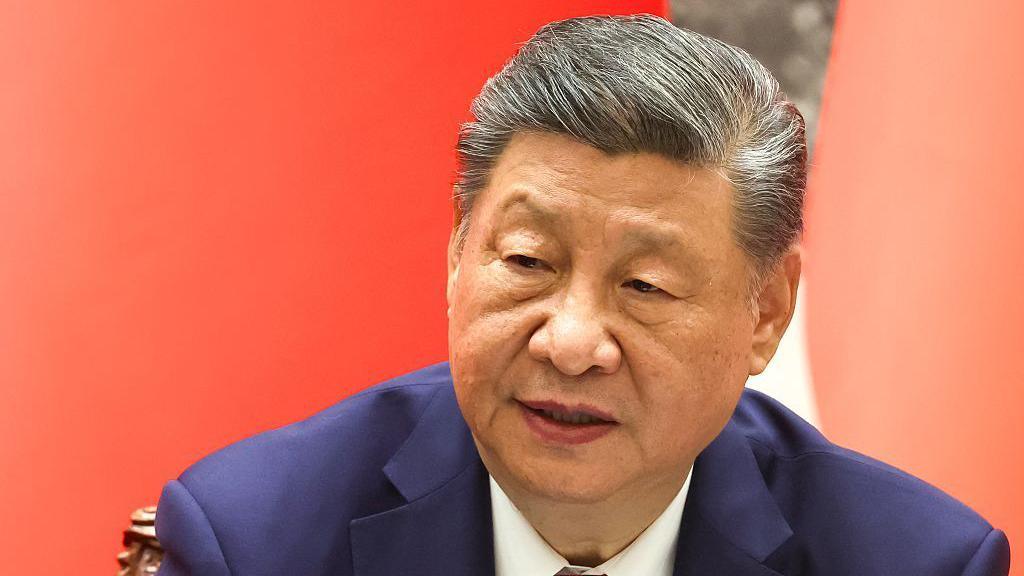
Chinese President Xi Jinping will travel to North Korea next week for his first visit to the country since 2019, according to multiple news sources. The trip will feature meetings with North Korean leader Kim Jong Un, representing a significant diplomatic engagement between the two nations during a period of considerable regional tension.
The visit occurs just weeks after Xi held separate meetings with the leaders of the United States and Russia, both countries that significantly influence North Korea's foreign policy decisions. The timing underscores China's effort to maintain its influence over its nuclear-armed neighbor as regional security dynamics continue to evolve.
China remains North Korea's most vital ally and primary trading partner. Beijing provides crucial economic support and diplomatic backing at the United Nations. For China, North Korea holds strategic value as a buffer state positioned between Chinese territory and U.S.-allied South Korea. Xi's previous visit to Pyongyang in 2019 occurred during a period when North Korea and the United States were engaged in diplomatic discussions, though those negotiations eventually faltered.
The announcement arrives at a moment when North Korea continues advancing its nuclear weapons program. China, meanwhile, manages increasingly complex relationships with Washington and Moscow while attempting to preserve stability on the Korean Peninsula. Beijing must balance its own interests against those of neighboring countries and major global powers.
The specific agenda for Xi's visit remains undisclosed, though discussions are expected to center on bilateral relations and regional security matters. The meeting between Xi and Kim will receive close attention from regional observers seeking to understand how China intends to navigate its relationship with North Korea within the current geopolitical landscape.
This diplomatic engagement highlights the enduring importance of the China-North Korea relationship despite years of strain and cooling ties. The two nations share a long history of strategic partnership, though their relationship has experienced periods of distance and tension, particularly following North Korea's nuclear weapons development.
The visit takes place as both countries face external pressures and shifting international dynamics. North Korea continues to pursue its weapons programs despite international sanctions, while China works to maintain its position as a regional power amid its own complicated relationships with the West. The meeting provides an opportunity for both leaders to reaffirm their alliance and coordinate positions on matters affecting the Korean Peninsula and broader regional security.
For South Korea and other regional stakeholders, the visit carries significant implications. How China exercises its influence over North Korea could affect prospects for dialogue, stability, and the trajectory of inter-Korean relations. The meeting may also signal Beijing's priorities regarding tensions on the peninsula and its approach to managing North Korea's nuclear capabilities within the context of broader U.S.-China competition.