The United States and Iran traded military strikes on Thursday in the most serious test yet of their month-long ceasefire. The exchange involved US forces intercepting Iranian drones headed toward Bahrain and Kuwait, followed by American retaliatory strikes on Iranian radar installations.
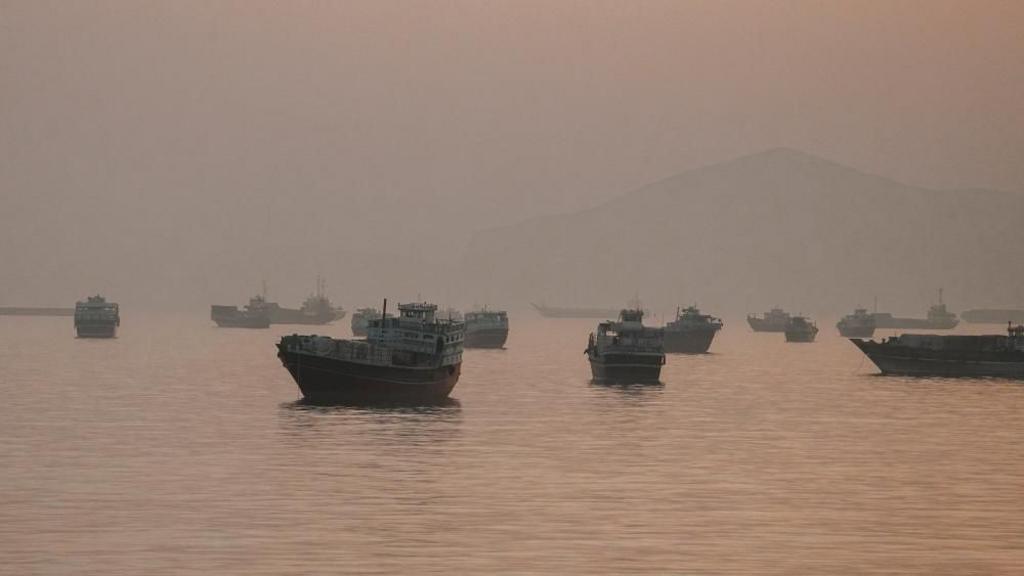
Iran accused Washington of breaching the truce by targeting two ships in the Strait of Hormuz and attacking civilian areas. The US military maintained it had struck in response to the Iranian drone launches. Both sides blamed each other for initiating the latest round of hostilities.
Hours after the initial exchange, Bahrain reported that Iran had fired ballistic missiles and drones at it and Kuwait. Air raid sirens sounded in Bahrain, with residents instructed to move to safe locations. Kuwait's military said it was intercepting both drones and missiles launched at the country.
President Donald Trump told reporters in Washington DC that the ceasefire remained intact despite the strikes. When asked about prospects for a negotiated end to the conflict, Trump was noncommittal, saying a deal "might not happen, but it could happen any day." He expressed confidence that Iran wanted a settlement more than he did.
Before the strikes, reports suggested the two sides were nearing an agreement to halt the war. A one-page memorandum had been shared between Washington and Tehran via Pakistan, indicating possible progress in negotiations. However, the latest military clashes have further stalled talks, with neither side showing significant movement toward a lasting resolution.
The incidents test the durability of the ceasefire arrangement that both nations previously agreed to honor. Military officials from each country have offered conflicting accounts of responsibility for breaking the agreement, with each side insisting the other initiated the violence.
Adding to tensions, the Treasury Department is preparing to make Iranian frozen assets available to US partners in the region for reconstruction purposes. A source familiar with the matter said the US plans to use these assets to help Gulf allies recover from damage caused by Iran. This move is likely to further inflame relations between Washington and Tehran.
The latest flare-up comes as the broader conflict continues to have ripple effects globally. Japan has begun experiencing shortages of plastic bags and food service materials due to disruptions in naphtha supplies from the Middle East, where Iran's war has impacted oil production. Meanwhile, the US labor market showed resilience with 172,000 jobs added in May, though stock markets experienced significant sell-offs amid uncertainty from the ongoing Middle East crisis.
The fragile ceasefire now faces its greatest challenge as both sides accuse each other of violations and show little willingness to return to meaningful peace negotiations.