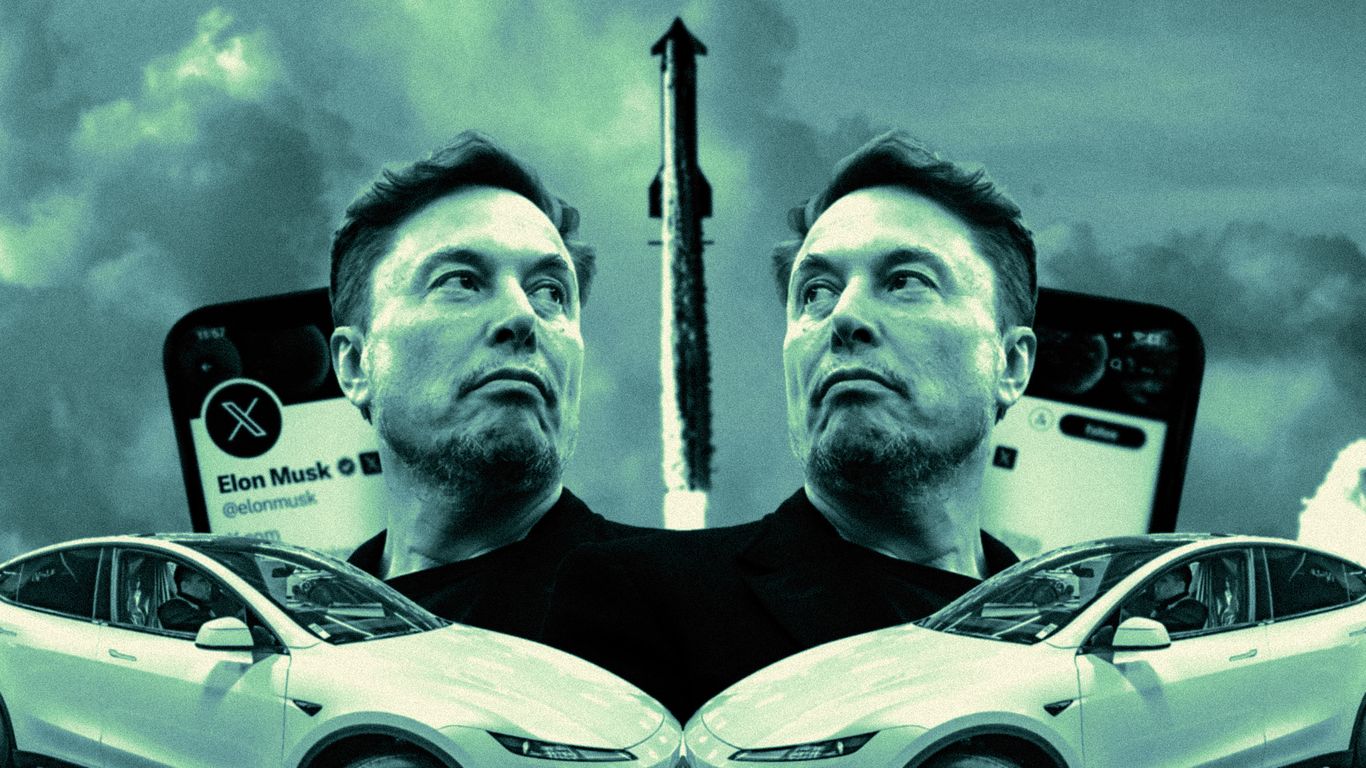
Elon Musk's business empire faces investigations from congressional Democrats following his emergence as the largest individual donor in the midterm elections, spending at least $475 million on candidates who largely lost. Armed with subpoena power, Democrats are preparing to examine Musk's Department of Government Efficiency operation, its access to sensitive government data, and whether his companies benefited from his influence over the Trump administration.
More than 99 percent of Musk's traceable spending went to losing candidates, according to WIRED. His most significant defeat came in Texas, where a $160 million investment in Ken Paxton ended with a Democratic sweep of the Senate seat, governorship, and attorney general's office. Musk responded to conciliatory remarks from Senator-elect James Talarico, who praised him as a great business leader despite Musk previously claiming Talarico hates Texas.
The congressional scrutiny extends to national security questions, with lawmakers demanding answers about Musk's reported communications with Vladimir Putin and his role in an October slowdown of Starshield that disrupted Ukraine's drone operations. Musk has downplayed his dependence on government contracts, claiming they will account for less than five percent of SpaceX revenue within a year and posting that he is happy to cancel any the government does not want.
In Texas, where Musk relocated the headquarters of Tesla, SpaceX, and X, the Democratic takeover threatens regulatory challenges. Governor-elect Gina Hinojosa is suing to uncover 1,374 pages of largely redacted communications with outgoing Governor Greg Abbott, while incoming Attorney General Nathan Johnson pledged to scrutinize state broadband grants awarded to Starlink. Tesla and SpaceX lost roughly $460 billion in combined market value in the two days after the election before rebounding as investors reassessed risks to Musk's companies.