The conflict between the United States and Iran is approaching its half-year milestone, contradicting President Trump's repeated assurances that military operations would conclude swiftly. The prolonged engagement has instead been marked by cycles of escalation and pauses, straining American military capabilities while both nations appear committed to a war of attrition.
Trump has consistently told the public the confrontation would end very soon, yet the extended timeline has thrust specialized defense topics into mainstream political discourse. Discussions about munitions stockpiles, defense contracting capacity, and naval supply operations now feature regularly in public conversation as the conflict persists without clear resolution.
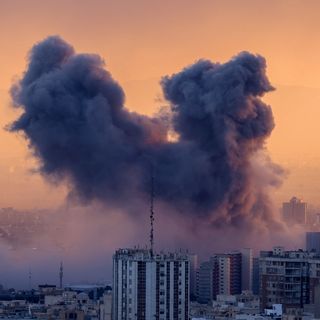
The recent escalation demonstrates the intensity of current fighting. The US military launched a seventh consecutive night of strikes on Friday, with operations targeting Iranian military installations across multiple cities. Iranian state media reported explosions in Sirik, Ahvaz, and Yazd, while the US claimed strikes degraded Iranian military capabilities. Iran's Islamic Revolutionary Guard Corps responded by targeting US military sites in the region, including facilities in Bahrain, Kuwait, and Qatar.
The fighting has centered on control of the Strait of Hormuz, a critical waterway handling roughly one-fifth of global oil and gas supplies before the conflict began. Though a memorandum between the US and Iran last month aimed to keep the strait open for shipping, both sides have interpreted the agreement differently. Washington and Tehran have advanced competing plans for vessel transit, with Iran attacking ships using routes it did not authorize.
Civilian infrastructure has sustained significant damage. US airstrikes struck bridges in Iran's southern Hormozgan province, electrical facilities, and ports. Iran's energy ministry instructed citizens to reduce electricity and air conditioning use after power grid strain from infrastructure attacks. According to Iran's health ministry, renewed strikes had killed at least 38 people and wounded more than 400 by Friday morning. International human rights experts have warned that strikes on civilian infrastructure not used for military purposes could constitute war crimes.
The interim deal between the nations has deteriorated significantly. Iran has shut the Strait of Hormuz while the US reimposed a full blockade of Iranian ports and ships on Wednesday. Commercial shipping through the waterway has drastically declined as violence escalated.
On Tuesday, Trump sought to project confidence that the United States holds advantage and suggested Iran will eventually comply with American demands. However, critics characterize his recent statements as revealing frustration rather than strength nearly six months into the conflict. The widening gap between early predictions of swift victory and current realities has become a political liability for the administration.
The extended conflict raises fundamental questions about military sustainability and strategic objectives. With no clear endpoint in sight, the confrontation has become a test of endurance for American military resources and political will.