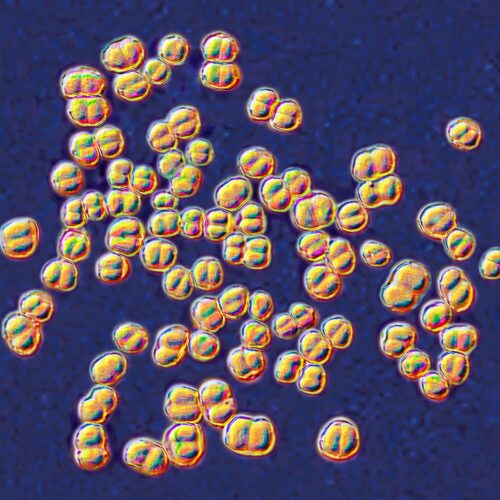
Thirty-two college students received antibiotic treatment after being exposed to a deadly pathogen during a laboratory class where they were supposed to identify a harmless microorganism. The students instead identified a dangerous germ during what was intended to be a routine microbiology exercise.
The incident occurred during a standard lab identification exercise, a common component of college-level microbiology courses where students learn to culture and identify microorganisms. Students typically work with benign bacterial samples that pose minimal health risks. In this case, the organism present turned out to be a pathogen capable of causing serious illness or death.
All 32 exposed individuals began antibiotic treatment as a precautionary measure following the discovery. The specific pathogen involved was not identified in available information, nor was the college where the incident took place. Lab identification exercises typically involve students using various tests and procedures to determine the species of an unknown bacterial sample provided by instructors.
The exposure represents a significant breach of laboratory safety protocols. College microbiology labs follow strict procedures to ensure student safety, including careful selection and verification of teaching samples. Instructors typically culture and verify teaching strains before distribution to students to prevent exactly this type of incident. The mix-up raises questions about sample handling and verification procedures at the institution.
Antibiotic prophylaxis after pathogen exposure is standard medical practice to prevent infection before symptoms develop. The decision to treat all 32 students suggests health officials considered the exposure risk significant enough to warrant preventive measures. The incident highlights the inherent risks present even in educational laboratory settings and the importance of rigorous quality control in preparing teaching materials for student use.