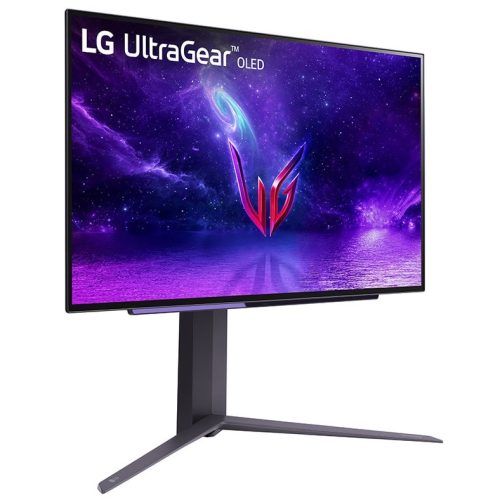
Microsoft pressured LG Electronics to discontinue unwanted McAfee antivirus advertisements that appeared on computer monitors running Windows 11. The ads used a Windows notification feature to promote McAfee security software, appearing as pop-ups on LG monitors connected to Windows computers.
The advertisements emerged from LG's OnScreen Control software, which manages monitor settings. Users reported seeing McAfee promotional messages through the Windows notification system, prompting complaints across technology forums and social media. The ads appeared without user consent and promoted software unrelated to the monitor's core functions.
Microsoft intervened after the pop-ups drew widespread criticism from users and technology observers. The company indicated that such promotional use of Windows system features violated guidelines for software running on its operating system. LG agreed to remove the advertising functionality following Microsoft's directive.
The incident highlights ongoing tensions around advertising in software and hardware products. Computer manufacturers and software developers have increasingly used system notifications and pre-installed programs to promote third-party products, a practice critics call bloatware. Users have long objected to promotional content appearing through system-level features designed for important alerts and updates.
LG's monitor software will continue to offer display management features but without the McAfee promotional messages. The change affects LG monitors already in use, with the company expected to distribute updated software removing the advertising component. Microsoft has not announced broader policy changes regarding third-party advertising in Windows applications, but the action against LG signals potential enforcement of existing guidelines against intrusive promotional tactics.