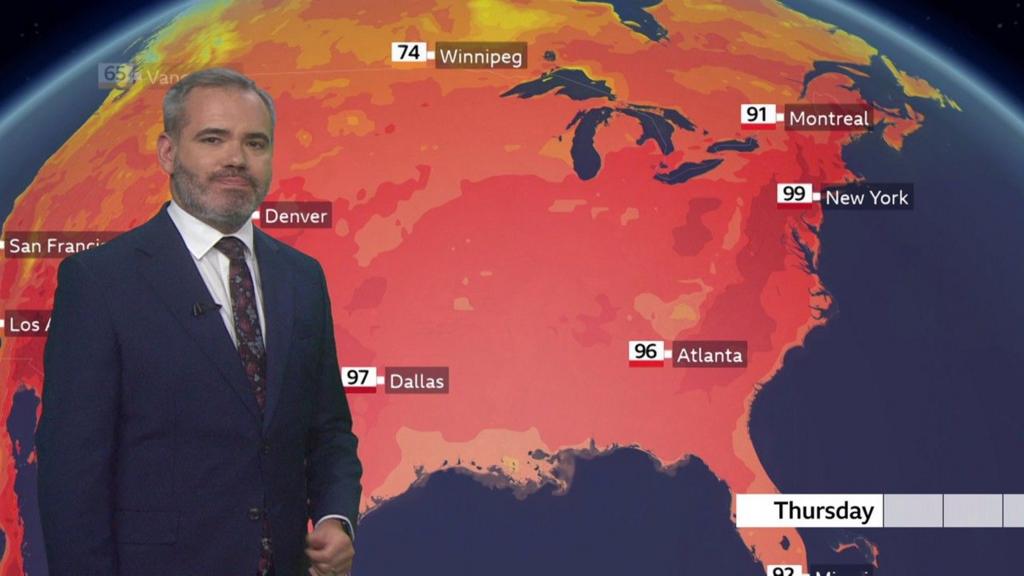
A heat dome covering much of the eastern United States has intensified concerns about protecting workers from extreme temperatures at a time when several states have reduced or eliminated heat-related workplace protections.
Florida is among the states that have rolled back heat protections for workers. While many states maintain laws designed to protect employees from heat-related illness and injury, recent legislative changes in some jurisdictions have weakened these safeguards. The timing raises particular concerns as weather patterns expose large populations to sustained high temperatures.
Heat domes occur when high-pressure atmospheric systems trap warm air over a region, creating prolonged periods of elevated temperatures. The current system affecting the eastern US presents significant risks for outdoor workers in construction, agriculture, and other industries where employees face extended exposure to the elements. Worker advocates have pointed to heat protection laws as important safeguards for preventing heat exhaustion, heat stroke, and other potentially fatal conditions.
States that maintain robust heat protection standards typically require employers to provide water, rest breaks, and shade during periods of extreme heat. Some mandate specific temperature thresholds that trigger additional safety protocols. The contrast between states maintaining these protections and those scaling back regulations highlights diverging approaches to workplace safety policy.
Public health experts note that heat-related workplace injuries and deaths tend to increase during prolonged heat events, making protective measures particularly relevant during weather patterns like the current heat dome. The rollbacks have intensified scrutiny of the policy changes, as temperatures remain elevated across the affected region.
The policy debate reflects broader tensions over worker protections. Recent analyses show that enforcement of workplace safety standards has declined significantly in some jurisdictions. The National Labor Relations Board has seen increased dismissals of unfair labor practice charges under new leadership, with dismissal rates rising substantially compared to previous years. Staffing shortages and procedural changes have contributed to fewer charges advancing through the system.
Worker advocates express concern about the cumulative effect of rolled-back protections and reduced enforcement. They argue that weakened standards leave employees vulnerable during weather events that pose genuine health risks. The combination of eliminated heat protections and declining enforcement creates gaps in worker safety across multiple areas.
As the heat dome continues affecting the eastern United States, workers in exposed industries face particular vulnerability. The debate over heat protections reflects larger questions about the role of regulation in workplace safety and the balance between business flexibility and employee welfare. The current weather event has focused renewed attention on these policy choices, with worker safety advocates calling for stronger protections rather than rollbacks during periods of extreme heat.