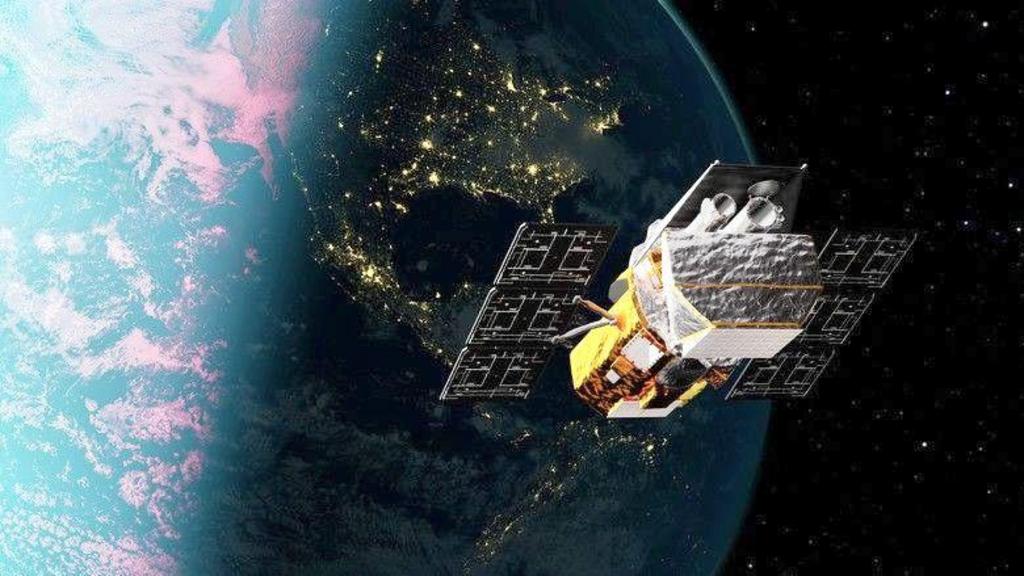
NASA launched an emergency mission to prevent the Swift Observatory from crashing back to Earth. The 3,200-pound space telescope, which has been studying cosmic phenomena since its launch, began falling toward the planet due to increased atmospheric drag caused by recent solar storms. A robotic spacecraft lifted off aboard a Pegasus rocket to attempt a reboost operation that will raise the observatory's orbit and extend its operational life.
The Swift Observatory has operated for years detecting gamma-ray bursts and other transient astronomical events. Solar activity during recent years increased the density of Earth's upper atmosphere, creating more drag on satellites in low Earth orbit. This drag gradually pulled Swift lower, threatening to end its mission prematurely through an uncontrolled reentry. The telescope weighs more than 1.5 tons and contains sensitive scientific instruments that NASA hoped to keep operational.
The rescue mission launched using a Pegasus rocket, which is carried aloft by an aircraft before igniting and climbing to orbit. The robotic spacecraft will rendezvous with Swift and use its propulsion system to push the observatory into a higher, more stable orbit. This type of orbital rescue represents a new approach for NASA, which has not previously attempted such a mission to save an aging space telescope from atmospheric decay.
Solar storms pose increasing risks to satellites as the sun enters more active phases of its 11-year cycle. The storms send charged particles and radiation toward Earth, heating and expanding the upper atmosphere. This expansion creates additional resistance for spacecraft in low orbits, accelerating their decay. Hundreds of satellites operate in similar orbital ranges and face comparable risks during periods of high solar activity.
If successful, the reboost will buy Swift additional years of operation and demonstrate techniques that could be used to extend the lives of other at-risk spacecraft. The mission carries significance beyond saving a single telescope, as orbital debris and satellite longevity have become pressing issues for space agencies worldwide. NASA has not disclosed how much additional operational time the reboost might provide, but the emergency nature of the launch underscores the urgency of preventing an uncontrolled reentry of the massive observatory.