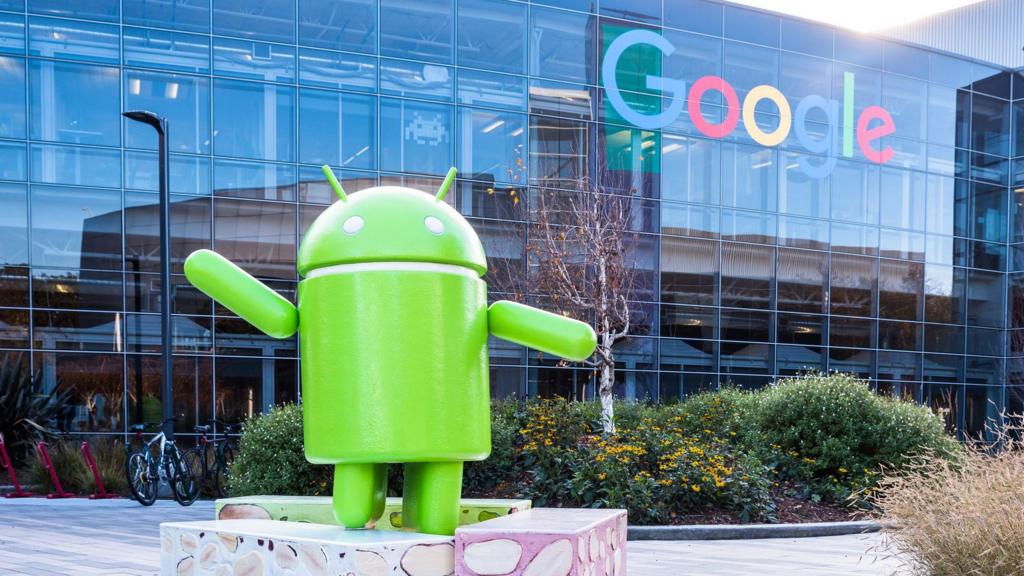
The European Union's top court upheld a $4.7 billion antitrust fine against Google on Thursday, rejecting the tech giant's appeal of a 2018 penalty related to its Android operating system. The Court of Justice of the European Union ruled that Google used Android to illegally block rivals from competing in the mobile market.
The fine, equivalent to 4.1 billion euros, represents one of the largest antitrust penalties ever imposed by European regulators. The European Commission originally issued the penalty after determining that Google required smartphone manufacturers to pre-install Google Search and the Chrome browser as a condition for licensing the Google Play app store. Regulators found these practices prevented competing search engines and browsers from gaining market share on Android devices.
Google had challenged the Commission's findings, arguing that Android created more choice for consumers and that device makers remained free to install competing apps. The company maintained that its arrangements were necessary to support the free distribution of Android and fund continued development of the operating system. The appeal process stretched across multiple years as Google sought to overturn or reduce the penalty.
The ruling marks a significant victory for European antitrust enforcement and sets a precedent for how regulators can address market dominance in digital platforms. Android powers roughly 70 percent of smartphones globally, giving Google substantial control over how hundreds of millions of people access internet services. The decision affirms the Commission's authority to challenge business practices that leverage dominance in one market to gain advantages in adjacent markets.
The fine adds to a series of European penalties against major American technology companies. Google faces separate EU investigations and fines related to its advertising technology and shopping comparison services. The company must now pay the full penalty, which European authorities can collect directly from Google's operations if the company does not comply voluntarily. Google has not indicated whether it will change its Android licensing practices in response to the ruling.