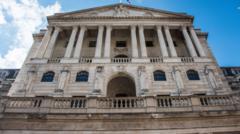
The Bank of England maintained its benchmark interest rate at 3.75%, deciding to hold steady as policymakers assess the impact of the recently signed U.S.-Iran peace deal on inflation and economic growth.
The decision reflects caution about how quickly the agreement will translate into relief for British consumers and businesses. While the deal aims to reopen the Strait of Hormuz and normalize oil supplies, Bank of England officials warned that inflationary pressures will likely persist in the near term.
The central bank last reduced rates in December before Middle East tensions escalated and halted further cuts. The conflict had disrupted global oil shipments and pushed energy prices higher across Europe and beyond. Although the peace agreement offers promise, policymakers emphasized that the full economic impact remains uncertain and could take time to materialize.
Bank officials acknowledged that inflation will not disappear simply because the Iran conflict has ended. The price pressures that existed before the war remain unresolved. Energy costs spiked during the fighting and fed into broader price increases throughout the British economy. Central bankers must now determine whether the peace agreement will provide sustained relief or if other factors will keep inflation elevated.
The decision to hold rates reflects the Bank's balancing act between supporting economic growth and controlling inflation. Policymakers want concrete evidence that inflation is cooling before easing monetary policy. They are not willing to assume that geopolitical developments will automatically lower prices for consumers and businesses.
The cautious stance contrasts with some market expectations that had anticipated potential rate cuts following the Iran deal announcement. The decision signals that central bankers prefer to wait for hard data showing cooling inflation rather than acting on optimism about the agreement's economic effects.
Job vacancy data released alongside the decision showed openings at a five-year low, suggesting businesses are growing more cautious about hiring. Companies appear to be waiting to see how the geopolitical situation stabilizes before committing to expansion plans. The figures indicate that economic uncertainty continues to weigh on business confidence despite the peace agreement.
The Bank of England's approach mirrors caution being shown by central banks globally. Other monetary authorities are similarly holding rates steady as they monitor how the Iran deal affects inflation and growth worldwide. The decision underscores the challenge facing policymakers in balancing competing economic pressures at a time of significant geopolitical change.
For British households and businesses, the decision means interest rates will remain at current levels for now. Further cuts remain unlikely until the Bank sees clearer signs that inflation is moving back toward its target level.