The United States and Iran have reached a memorandum of understanding that brings an immediate end to military operations across all fronts, including Lebanon. Both nations plan to sign the agreement on Friday, committing themselves to halt warfare and refrain from initiating armed conflict or threatening force against each other going forward.
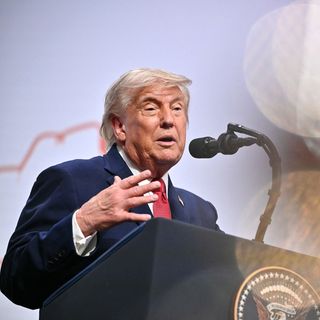
President Trump discussed the preliminary agreement at a press conference during the Group of Seven summit in France. He emphasized that the document is not final and warned that the US would resume bombing Iran if the Islamic Republic violates its terms. Trump noted that the deal addresses reopening the Strait of Hormuz, a critical shipping passage that had been closed during the conflict. According to Trump, oil reserves could have depleted within four weeks had the strait remained closed, a situation he described as potentially catastrophic.
Trump defended the agreement's allowance for Iran to keep its ballistic missile arsenal, saying the US would work with Gulf allies on related security concerns. He estimated that military operations inflicted up to two trillion dollars in damage on Iran. When asked about the deal's likelihood of success, Trump joked that he would claim credit if it succeeds but blame Vice President Vance if it fails.
The memorandum represents a significant shift in US policy following sustained military conflict between the two nations and their respective allies. The fighting began on February 28 after Trump ordered Operation Epic Fury and notified Congress accordingly. On April 7, Trump ordered a two-week ceasefire, which has since been extended. Trump stated in a letter to congressional leaders that there had been no exchange of fire between US forces and Iran since April 7 and that hostilities have terminated.
Trump dismissed concerns about the War Powers Act of 1973, which requires presidential notification to Congress before military operations and congressional approval within 60 days to continue them. He told reporters he had no intention of seeking congressional approval, suggesting the law had never been invoked before and questioning its constitutionality.
Democratic lawmakers challenged Trump's interpretation. Senate Minority Leader Chuck Schumer called it an "illegal war," while Senator Jeanne Shaheen noted that tens of thousands of US service members remained in harm's way and that the Strait of Hormuz remained closed with prices skyrocketing. The American Civil Liberties Union expressed "profound concern" about what it called an illegal war, stating that the War Powers Resolution contains no pause button.
Senate Republicans blocked a war powers resolution brought by Democrats aimed at ending the conflict. Despite Trump's previous claims the war would end "very soon," his letter acknowledged that the threat posed by Iran to the US and its armed forces remained significant, and the Pentagon would continue adjusting its force posture across the region as necessary.