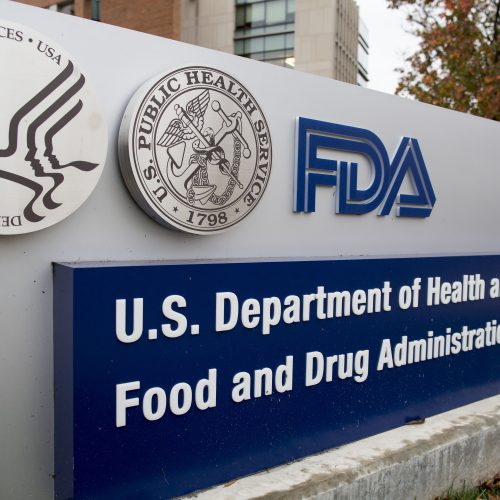
The Food and Drug Administration has reversed its rejection of a gene therapy treatment from biotech company UniQure following the departure of a Trump-appointed official. The company secured another meeting with the FDA after Vinay Prasad left his position at the agency.
The initial rejection of UniQure's gene therapy had drawn criticism from industry observers who characterized the decision as departing from standard regulatory practice. Gene therapies represent a growing class of treatments that work by modifying genetic material to treat or prevent disease, and companies developing these therapies face extensive regulatory scrutiny before approval.
Prasad, who had been appointed during the Trump administration, left the FDA before UniQure's second meeting with the agency. The timing of his departure and the subsequent reversal has raised questions about the influence of individual officials on drug approval decisions. The FDA is responsible for evaluating the safety and effectiveness of new medical treatments before they can be marketed to patients.
UniQure specializes in developing gene therapies for patients with severe medical conditions. The company has been working to bring its treatment through the FDA approval process, which typically requires multiple rounds of review and clinical data demonstrating both safety and efficacy. The reversal means the therapy can continue through the regulatory pathway toward potential approval.
The case highlights ongoing debates about how political appointees influence scientific and medical decisions at federal health agencies. Gene therapy approvals have become increasingly significant as the field has advanced in recent years, with several treatments gaining FDA approval for previously untreatable conditions. The reversal allows UniQure to continue pursuing approval for its therapy, though the company must still meet all regulatory requirements before the treatment can reach patients.