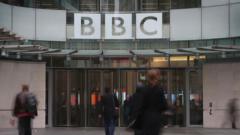
The BBC has announced plans to cut 550 jobs as the first phase of a £500 million savings programme. The corporation communicated the proposals to staff through an email, with the news division facing 200 initial redundancies.
The restructuring represents a significant shift for one of the world's largest public broadcasters. The BBC operates across television, radio, and digital platforms with thousands of employees, and the reductions will be distributed across multiple departments as the organization attempts to reduce its operating costs.
The £500 million savings initiative reflects financial pressures facing the corporation as it works to balance cost reductions with its programming commitments. UK public broadcasters have experienced sustained debate around their funding model and the long-term viability of the license fee system that provides the BBC's revenue.
The news division will experience the most substantial initial impact, with 200 roles being eliminated. These cuts could affect the BBC's ability to produce news content across its different platforms, though the corporation has not yet specified which particular positions or services will be affected by the reductions.
The announcement occurs as traditional broadcasters face mounting challenges from streaming services and digital media companies. The BBC must navigate competing demands: implementing cost savings while sustaining programme quality and maintaining its reach across audiences. This balance is essential to justify its public funding and protect its audience share in an increasingly competitive media environment where viewers have numerous alternatives.
The savings plan also comes amid broader questions about the sustainability of public broadcasting models in the modern media landscape. The BBC has faced previous rounds of cost-cutting efforts and restructuring as it adapts to changing viewing habits and audience expectations. Younger audiences in particular have increasingly moved toward on-demand streaming services and digital content platforms.
The corporation will need to carefully manage the redundancy process while attempting to maintain the editorial standards and output that underpin its public service remit. How the BBC implements these cuts and maintains programming quality will likely become a focal point in ongoing discussions about the organization's future structure and its funding settlement.
Staff reaction to the announcement will be closely watched, given the significant impact on the news division. The BBC's news operation remains central to the corporation's identity as a public broadcaster, and the scale of the proposed cuts reflects the severity of the financial pressures it faces.
The timing of the announcement suggests the BBC expects to complete details of the restructuring plan within the coming weeks, though the full implications of the 550 redundancies will likely become clearer as the corporation outlines which departments and services will be affected beyond the news division.