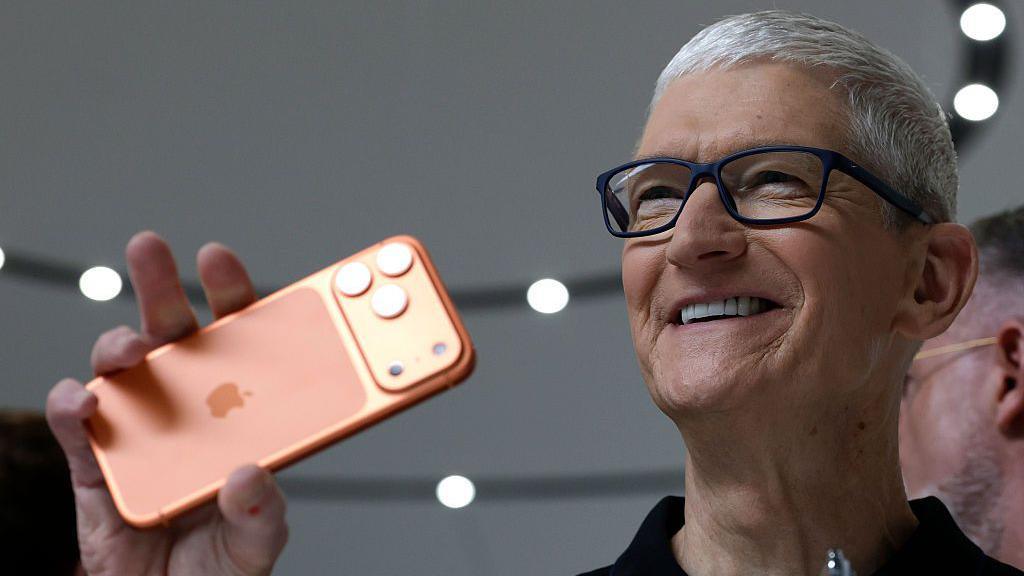
Apple's chief executive Tim Cook has announced that the company plans to raise prices across its product lineup in response to escalating memory chip costs driven by artificial intelligence development.
In recent remarks, Cook indicated that price increases are now unavoidable. He explained that the company has been attempting to absorb the substantial cost increases being passed down by component suppliers, but the situation has become unsustainable. Rather than continuing to shield customers from these expenses by reducing profit margins, Apple has decided that price rises are necessary.
The memory chip shortage stems from unprecedented demand for high-performance computing components as technology companies race to incorporate artificial intelligence features into their devices. Apple's strategy to expand AI capabilities within its products, particularly in Siri, requires significantly more memory than previous generations. The upcoming iPhone 18 is expected to include 12 gigabytes of RAM to support these enhanced features, roughly double the amount found in many current models.
The shortage has created intense competition among technology manufacturers for limited supplies from major producers. Samsung and SK Hynix control much of the global memory chip production, and their output cannot meet current demand. Multiple smartphone makers are simultaneously rushing to add generative AI functionality to their devices, further straining available inventory.
Cook did not specify which products would be affected by the price increases or provide details about how much prices would rise. He also declined to announce when the increases would take effect. This marks a notable departure from Apple's historical approach. The company has traditionally maintained stable pricing even during periods of component shortages by absorbing the additional costs internally or adjusting profit margins downward.
Industry analysts have observed that memory chip supply constraints have deteriorated significantly over the past year as AI applications have driven unprecedented demand for high-performance components. The timing of Apple's announcement is significant as the company prepares to introduce new iPhone models later this year that will heavily feature AI capabilities to differentiate themselves from previous versions.
The price increases could affect Apple's competitive standing in the smartphone market, where the company already charges premium prices compared to most Android manufacturers. Consumers have grown accustomed to Apple's flagship devices commanding high prices, but further increases could push some buyers toward alternative options, particularly if competing manufacturers manage to offer advanced AI features without proportional price hikes.
Cook's comments represent one of the first major admissions from a technology leader that the artificial intelligence boom is creating genuine financial pressures on device manufacturers. The announcement signals that the cost of developing and implementing AI features will likely be passed on to consumers through higher prices rather than absorbed by companies seeking to maintain market share.