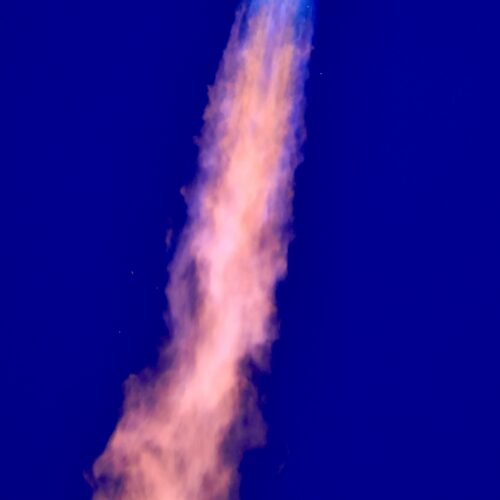
A Chinese rocket broke apart in orbit dangerously close to SpaceX's Starlink satellite constellation, generating an estimated 100 to 150 new pieces of space junk. The breakup occurred in an orbital region heavily populated by active satellites, raising concerns about potential collisions and the growing problem of space debris.
The incident adds to mounting concerns about orbital safety as more nations and companies launch satellites into increasingly crowded space. Starlink operates thousands of satellites in low Earth orbit to provide global internet coverage, making it one of the largest satellite constellations in operation. The proximity of the rocket breakup to these satellites heightens the risk of catastrophic collisions that could create cascading debris events.
Space debris poses a significant threat to operational satellites, space stations, and future missions. Even small fragments traveling at orbital velocities can cause severe damage to spacecraft. The new debris pieces will remain in orbit for extended periods, creating long-term hazards for other satellites operating in similar orbital paths.
The incident highlights ongoing debates about space sustainability and the need for international coordination on orbital activities. As commercial space operations expand and more countries develop space capabilities, experts have called for stronger regulations and debris mitigation standards. China has faced previous criticism for space debris incidents, including the uncontrolled reentry of rocket stages that have fallen back to Earth.
Tracking and cataloging the new debris will be a priority for space surveillance networks operated by the United States and other nations. These systems monitor thousands of objects in orbit to predict potential collisions and allow satellite operators to perform avoidance maneuvers when necessary. The growing amount of space debris complicates these operations and increases the operational costs for all satellite operators.