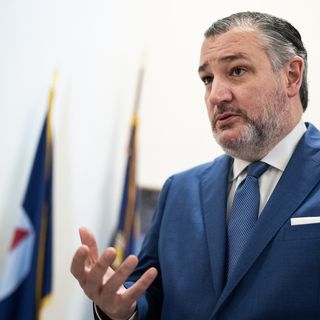
Cruz Breaks With Trump on Key Endorsements as 2028 Looms
Texas Senator Ted Cruz is establishing his political independence from President Trump as he considers a potential 2028 presidential campaign, backing rivals to Trump-endorsed candidates in two significant Republican gubernatorial races.
Cruz announced this week that he was supporting Rick Jackson for Georgia governor and Alan Wilson in South Carolina's race for governor. Both candidates are competing against Trump-endorsed Republicans in upcoming runoffs.
Jackson, a wealthy health care executive, faces Trump-backed Lieutenant Governor Burt Jones in Georgia's June 16 runoff. Wilson, South Carolina's attorney general, is up against Trump-endorsed Lieutenant Governor Pamela Evette in a runoff scheduled for June 23.
The endorsements signal that Cruz is testing whether the Republican Party has room for a White House contender willing to break with a president who has maintained significant control over the party for the past decade. This represents a calculated political strategy as Cruz seeks to carve out his own political identity while Trump remains influential in Republican primary contests.
Cruz's moves come at a critical moment in the Republican Party. While Trump's endorsement remains the most sought-after prize in GOP politics, Cruz appears willing to challenge that dynamic by backing alternative candidates in high-profile races. His strategy suggests he believes there may be an opening for a 2028 candidate who can appeal to Republicans tired of Trump's dominance while still maintaining credibility within the party.
The timing of these endorsements is significant. With multiple Republican figures considering 2028 runs, Cruz is positioning himself as someone willing to make independent decisions rather than simply falling in line behind Trump. This approach carries risks, as Trump remains popular with many Republican primary voters and has shown willingness to target those who oppose his preferred candidates.
However, Cruz's endorsements also reflect broader trends within the Republican Party. Some Republicans have begun questioning whether Trump-endorsed candidates are the strongest choices in general election races, particularly in states where Trump remains unpopular. By backing Jackson and Wilson, Cruz is implicitly arguing that these candidates may be more competitive against Democratic opponents in November.
The Georgia and South Carolina races provide early tests of whether voters will follow Cruz's lead or stick with Trump's preferred candidates. Both runoffs will likely receive significant national attention as indicators of Trump's continued grip on Republican primary politics and whether any Republican figure can successfully challenge his influence.
As Cruz pursues his own political future, his willingness to openly oppose Trump's preferred candidates demonstrates that not all Republican leaders believe the party's future depends entirely on Trump's continued dominance. Whether this strategy proves politically viable will become clearer as the runoff elections approach.