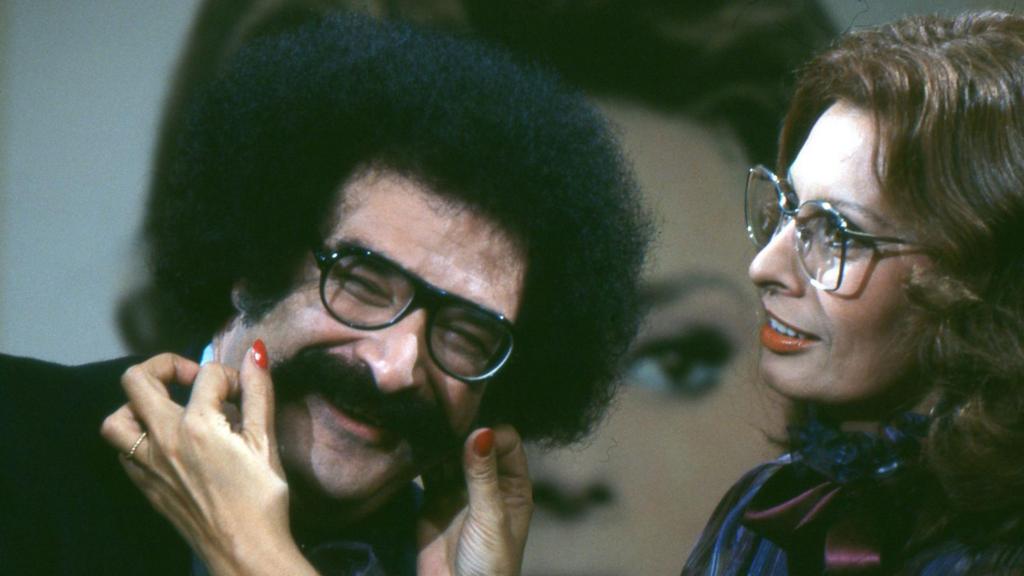
Gene Shalit, the longtime movie critic for NBC's Today show, has died at 100. The television personality became a recognizable figure in American households through his nearly four decades on the morning program, distinguished by his distinctive appearance and clever approach to film criticism.
Shalit joined Today in 1970 and became the show's arts editor in 1973. He remained with the program until his retirement in 2010. His physical appearance became iconic: he was known for his puffy hair and oversized handlebar mustache, features that made him instantly recognizable to viewers across the country.
Beyond his memorable look, Shalit developed a reputation as a middle-of-the-road critic with a talent for wordplay. His reviews frequently incorporated puns and wit, delivering his assessments of films with clever language that became his signature style. This combination of humor and intelligence set him apart from other critics of his era.
As a film critic on one of America's most-watched morning programs, Shalit reached mainstream audiences at a time when television was becoming an increasingly important outlet for cultural commentary. His position on Today gave him a platform that extended far beyond traditional print criticism, making him one of the most recognizable film critics in American media.
Shalit's long career spanned a significant portion of cinema history, from the classic Hollywood era through the modern age of streaming entertainment. During his decades on television, he reviewed countless films for morning audiences, helping shape how millions of Americans thought about movies.
His passing was reported by major news outlets including The New York Times, BBC, CNN, and The Washington Post. Al Roker, a longtime Today show personality, shared a tribute following the announcement of Shalit's death.
The moustachioed reviewer's retirement in 2010 marked the end of an era for a particular style of television film criticism. His presence on Today had made him a fixture in the daily routines of American viewers, and his influence on how film criticism was presented on television remained significant throughout his life.
Shalit's death represents the end of a distinctive era in morning television programming, when personalities like him could become household names through their regular appearances on network shows. His combination of distinctive appearance, intelligent commentary, and accessible humor made him a unique figure in the history of American media.