SpaceX made its long-anticipated debut on public markets Friday, closing at $160.95 per share, a 19% jump from its $135 IPO price. The aerospace and artificial intelligence company completed the largest initial public offering in history, raising approximately $75 billion and achieving a market valuation of $2.1 trillion by day's end.
The strong first-day performance reflected robust investor demand. Shares opened around $150 and climbed significantly during the trading session, reaching highs near $176 before settling slightly lower in the final two hours. The successful debut marks a major milestone for the company, which operated as a private venture for nearly two and a half decades.
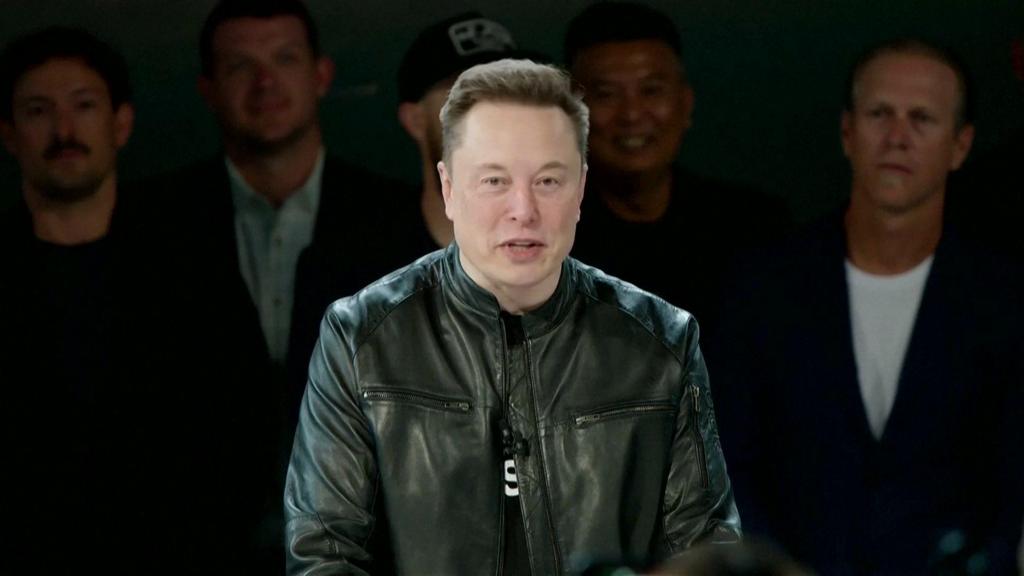
"It is certainly hard to believe that a little company that started in a warehouse in El Segundo is now going public with the largest IPO ever," Elon Musk said during an address at SpaceX's headquarters Friday morning. Musk reiterated the company's mission to "make humanity multiplanetary" and "take the fiction out of science fiction."
The IPO's success elevated Musk to an unprecedented status as the world's first trillionaire, according to reports. His fortune has grown dramatically over the past decade, increasing from approximately $14 billion ten years ago to its current astronomical level.
The offering attracted significant attention from institutional and retail investors alike. The Nasdaq exchange fast-tracked SpaceX's inclusion in its index, guaranteeing additional buying pressure from tracker funds and other index-following investments. This means many Americans with 401(k) retirement accounts and mutual funds now hold stakes in the company, according to Gallup data showing 62% of American adults invested in the stock market.
The public debut generated political and social backlash regarding wealth inequality. Democratic senators including Bernie Sanders and Elizabeth Warren criticized Musk's extreme wealth accumulation, calling for legislation to tax ultra-wealthy individuals. "The typical American household would have to work more than 11 million years to make Elon Musk's level of wealth," Warren posted. "We need a wealth tax."
California Governor Gavin Newsom and other Democratic officials also weighed in, with Newsom stating "when the federal government is for sale, the rich get richer and everyone else gets shafted." Anti-billionaire protesters gathered outside JPMorgan's Manhattan headquarters, warning that the IPO would "pilfer the retirement funds of working people."
Economist Gabriel Zucman warned that economic disparities highlighted by Musk's wealth accumulation could have profound societal effects. "The battle between democracy and oligarchy will be the defining battle of the 21st century," Zucman said.
As a publicly traded company, SpaceX now faces increased scrutiny and new disclosure requirements. The company's filings revealed it loses billions of dollars annually while primarily generating profits through its satellite internet service.