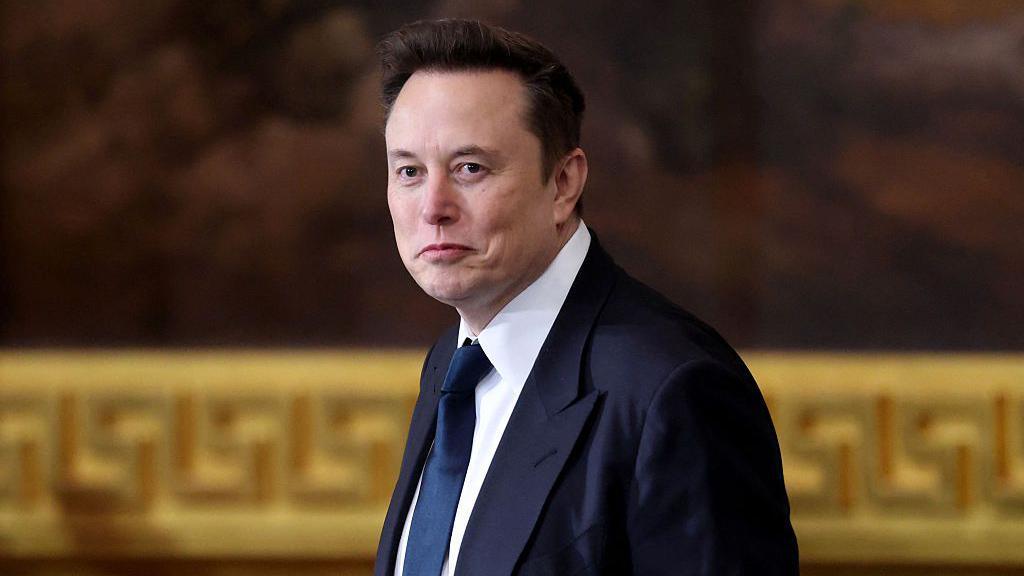
SpaceX is set to begin trading on the Nasdaq on Friday in what is expected to become the largest initial public offering in history. The company is offering at least $75 billion of shares to investors at a valuation of $1.78 trillion, nearly three times the previous record set by Saudi Aramco's $29.4 billion offering in 2019. The IPO is oversubscribed by three or four times, with more than $250 billion in bids from investors seeking to participate.
The public offering is projected to value SpaceX at over $1.7 trillion, making it one of the most valuable companies to go public. Wall Street analysts are watching closely to see how the trading debut unfolds and what impact it may have on the broader market. If the float proceeds as planned, Elon Musk, the company's founder and majority shareholder, could become the world's first trillionaire.
However, investment research group Morningstar has raised concerns about the company's valuation. The firm calculated that SpaceX is worth only $63 per share, well below the anticipated IPO price of $135. Michael Field, Morningstar's chief equity strategist, suggests investors should wait for "a more attractive entry point down the line." He stated: "We believe the business has real strengths, particularly in Starlink, but with so many unknown and untested technologies underpinning much of the valuation price, particularly within the AI business, we think the valuation is extremely speculative."
Senator Elizabeth Warren also expressed concerns about the IPO, calling on the Securities and Exchange Commission to delay it due to worries about the company's valuation and corporate governance.
SpaceX operates three main business divisions: space exploration through its Falcon and Starship rockets; connectivity via its Starlink satellite constellation providing high-speed internet access; and artificial intelligence through its xAI division. The company reported a net loss of $4.9 billion in 2025. At the proposed valuation, the IPO values SpaceX at roughly 92 times its trailing sales, a substantial multiple that reflects investor expectations that Musk can achieve ambitious goals including orbital datacenters in space, a base on the moon, and cities on other planets.
SpaceX has claimed Starlink has a total addressable market of $1.6 trillion, though Morningstar estimates the segment's realistic global opportunity at approximately $129 billion.
The Nasdaq index has adjusted its rules to allow SpaceX to join on a fast-track basis. The index provider MSCI has confirmed it will apply existing rules for early inclusion of large IPOs in its Global Standard Indexes. However, S&P Dow Jones Indices has declined to relax its strict entry rules, which could delay SpaceX's inclusion in the S&P 500 index by several months.