Section 702 of the Foreign Intelligence Surveillance Act is on track to lapse Friday after Congress failed to reach agreement on renewing the spy tool. The authority allows US intelligence agencies to collect communications of foreign targets outside the United States without a warrant and has been credited with providing more than half the content in the president's daily briefing.
Lawmakers in both parties have warned that allowing Section 702 to expire could threaten national security operations. Intelligence officials say the authority has helped prevent terror plots and other security threats. If the law lapses, intelligence agencies and telecommunications companies face legal uncertainty about ongoing surveillance activities.
The appointment of Bill Pulte as director of national intelligence has complicated renewal talks. Pulte lacks national security experience and has drawn criticism from lawmakers in both parties as a Trump loyalist. His selection has created new friction in negotiations that were already stalled over privacy concerns and oversight provisions.
The dispute over Section 702 reflects broader tensions over government surveillance powers and civil liberties protections. Privacy advocates have long pushed for reforms to prevent warrantless searches of Americans' communications that are incidentally collected under the program. Those reform efforts have clashed with intelligence officials who argue the tool is essential for tracking foreign threats.
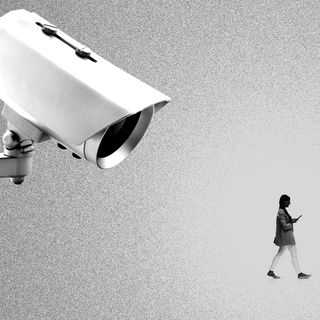
Beyond the immediate Section 702 debate, civil liberties groups are raising concerns about how the government plans to use artificial intelligence for domestic surveillance. According to recent reporting, the Pentagon has sought to deploy AI tools to analyze bulk commercial data about Americans, including geolocation and web browsing information. Privacy advocates argue that AI could dramatically expand surveillance capabilities by automating the analysis of vast datasets at scale.
The concern centers on how federal agencies already purchase Americans' private data from commercial sources without court approval. Immigration enforcement agencies have used purchased cellphone location data and license plate information to target communities. The addition of AI tools could make this data collection and analysis faster, cheaper, and more comprehensive.
Civil liberties organizations warn that without new congressional safeguards, the combination of bulk data collection and AI analysis could lead to mass domestic surveillance. They point to historical examples of government surveillance abuses and argue that current laws have not kept pace with technological capabilities. The concern is that AI tools could enable the government to build detailed profiles of individuals' movements, associations, and political views with minimal human oversight.
Congress has until Friday to pass legislation extending Section 702 or face the first-ever lapse of the authority since its creation. The approaching deadline has not yet forced a breakthrough in negotiations between the White House and Capitol Hill. The broader questions about AI-powered surveillance and civil liberties protections remain unresolved.