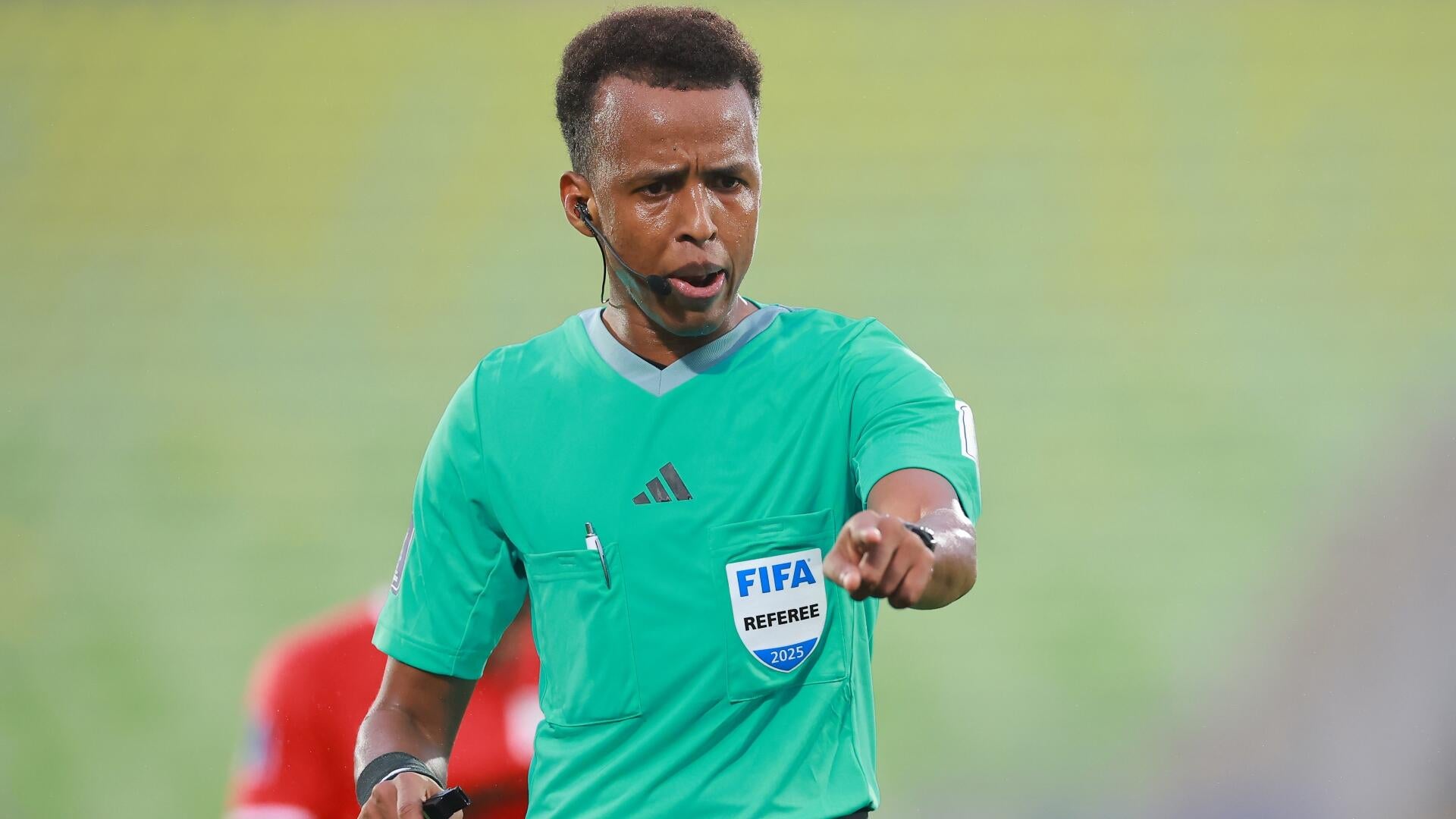
International football officials and team members are facing significant barriers when attempting to enter the United States, Canada, and Mexico ahead of the 2026 World Cup. The travel complications have already begun affecting tournament preparations, with several high-profile cases highlighting broader concerns about immigration policies disrupting the event.
Somali referee Omar Artan was denied entry to the United States and will miss the opportunity to officiate at the World Cup. His exclusion represents a major setback, as he was positioned to become the first Somali official to work a World Cup match. The specific reasons for the denial have not been fully detailed, but multiple reports confirm that World Cup personnel from various countries are experiencing similar entry problems at U.S. ports of entry.
The complications extend beyond the United States. Officials from the Palestine Football Association were denied Canadian visas ahead of FIFA's Congress in Vancouver scheduled for late April. The three rejected applications included Jibril Rajoub, the Palestinian Football Association's president. Canada's immigration authority stated that applications are evaluated individually based on eligibility and admissibility requirements, though they declined to comment on specific cases.
The visa restrictions appear connected to Trump administration immigration policies. Four nations already subject to some form of U.S. travel restriction have qualified for the World Cup: Haiti, Iran, Côte d'Ivoire, and Senegal. These restrictions raise questions about whether teams and officials from these countries will face additional barriers during the tournament.
The entry problems have sparked concerns within the international football community about preparation timelines and tournament operations. Former England international Ian Wright characterized the situation as a "World Cup of chaos," reflecting growing anxiety about whether hosts are adequately prepared for the world's largest sporting event.
FIFA has faced ongoing questions about its control over the tournament as these logistical issues emerge. The organization has not yet issued a comprehensive public statement addressing the entry complications or outlining solutions. FIFA President Gianni Infantino has previously stated that "everyone will be welcome in Canada, Mexico and the United States for the FIFA World Cup," but current developments suggest those assurances are being tested by immigration authorities.
The 2026 tournament will present unprecedented logistical challenges with 48 teams competing and thousands of players, coaches, officials, and staff requiring entry across three host nations. Traditional World Cups have included special visa accommodations and expedited entry procedures for tournament participants, but coordination between immigration authorities and FIFA appears strained.
The scale of these disruptions and whether they will ultimately affect the tournament's schedule or operations remains unclear as the June start date approaches. Officials and teams are now finalizing rosters and assignments while navigating an increasingly complex entry landscape.