Consumer prices climbed to an annual rate of 4.2 percent in May, the highest level in three years, as conflict in the Middle East pushed energy costs higher and contributed to broader price increases across the economy. The inflation reading represents the third consecutive monthly jump since the Iran war began.
The sharp acceleration in inflation comes as disruptions to global energy markets have driven up oil prices. Before the conflict started, inflation was running at 2.4 percent. The closure of the Strait of Hormuz has been a major factor in rising energy costs worldwide.
Brent crude, the international benchmark for oil, climbed to $111.16 per barrel early in the trading week, its highest level in nearly two weeks. The price surge followed an attack on a nuclear power plant in the United Arab Emirates and stalled peace negotiations between the United States and Iran.
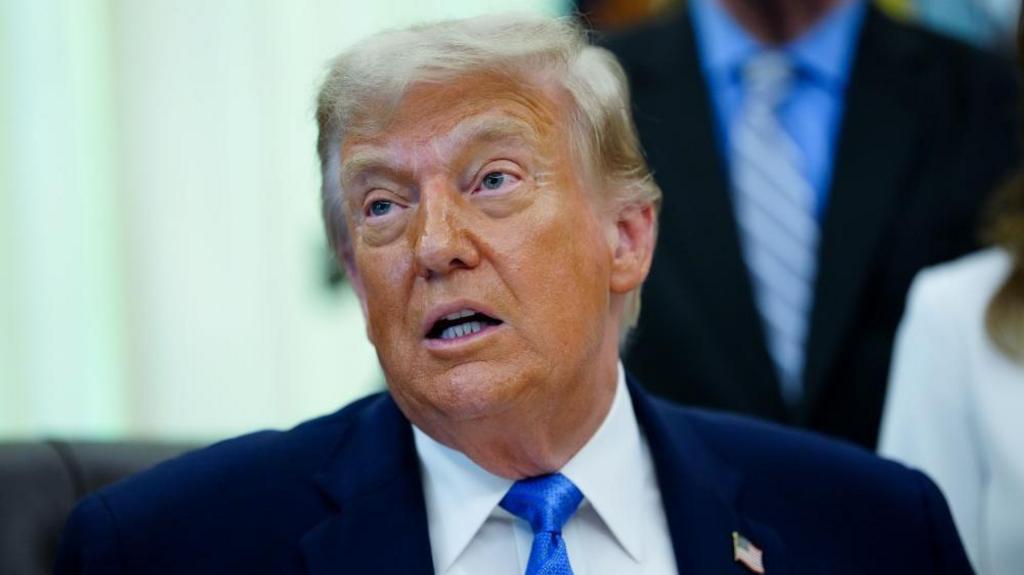
President Trump responded to the inflation report on Wednesday, saying "I love the inflation" and indicating he was not concerned about the price increases given recent developments in the conflict.
The elevated inflation figures have reverberated across global financial markets. Government bond yields have risen sharply in response to inflation concerns and expectations that central banks will need to increase interest rates. The 10-year U.S. Treasury yield hit 4.631 percent, its highest level since February 2025. In the United Kingdom, the 10-year gilt yield surpassed an 18-year high, reaching 5.19 percent before pulling back slightly.
Stock markets opened lower across major regions on Monday in response to the geopolitical tensions and inflation worries. Europe's Stoxx 600 index dropped 0.7 percent, while Japan's Nikkei fell about 1 percent. Hong Kong's Hang Seng index also declined 1 percent.
Meanwhile, finance ministers from the G7 nations gathered in Paris to discuss the economic effects of the Middle East conflict. In Japan, the government prepared to issue fresh debt as part of an effort to cushion the economic impact from the war.
Bond market volatility has also been influenced by political developments in the United Kingdom, where traders are anticipating potential leadership changes that could affect fiscal policy. However, some analysts suggested that if investors believe spending pressures will be controlled, bond yields could begin to retreat.
Economists and policymakers are closely monitoring whether the inflation spike proves temporary or signals a sustained period of elevated prices. The data will shape monetary policy decisions in coming months as central banks balance the need to control inflation against risks to economic growth.