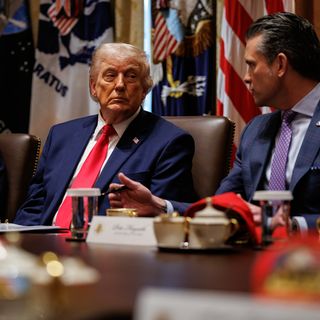
President Trump convened a Situation Room meeting Wednesday afternoon to evaluate potential new strikes against Iran, following his earlier public declaration that the U.S. would "hit them again hard today," according to two U.S. sources.
Among the options under consideration is a large-scale military operation designed to be brief in duration, aimed at pressuring Iran to shift its negotiating position. The sources declined to specify which targets or military assets might be involved in such an operation.
The timing of the meeting coincided with diplomatic efforts in Tehran, where Qatari mediators were meeting with Iranian officials to advance negotiations between Washington and Tehran. Qatar has historically served as an intermediary when direct communication between the U.S. and Iran has been limited.
Trump's public statements Wednesday suggested imminent military action, though the Situation Room discussion indicates the administration continues to evaluate its choices. The president has not publicly explained which recent Iranian actions prompted his threat of additional strikes, and the White House has provided limited details about military operations that Trump referenced.
The situation reflects a complex dynamic in U.S.-Iran relations, with potential military action proceeding alongside diplomatic negotiations. Trump has emphasized that preventing Iran from obtaining nuclear weapons remains his primary focus. When asked Tuesday about the economic impact of the conflict on Americans, Trump stated: "The only thing that matters when I'm talking about Iran is they can't have a nuclear weapon. I don't think about Americans' financial situation. I don't think about anybody. I think about one thing: We cannot let Iran have a nuclear weapon. That's all."
The conflict has created significant economic consequences for the United States. Inflation reached 3.8% in April, driven largely by rising energy costs following military action in late February. Gas prices now average over $4.50 per gallon, the highest in four years, while food prices have climbed nearly 4% and airlines have increased fares by more than 20%.
Trump's economic advisers have offered conflicting predictions about when relief might arrive. Energy Secretary Chris Wright initially suggested fuel prices could normalize by summer but later stated he could not make such predictions. Kevin Hassett, Trump's top economic adviser, told Fox News that relief was coming "relatively quickly and certainly ahead of the election."
Trump has predicted that resolving the conflict would produce a "massive drop in the price of oil" and benefit the broader economy. The administration has not announced a timeline for making a final decision regarding military action.
Any strikes would represent a major foreign policy decision with substantial implications for regional stability in the Middle East and could influence ongoing negotiations over disputes between the two nations.