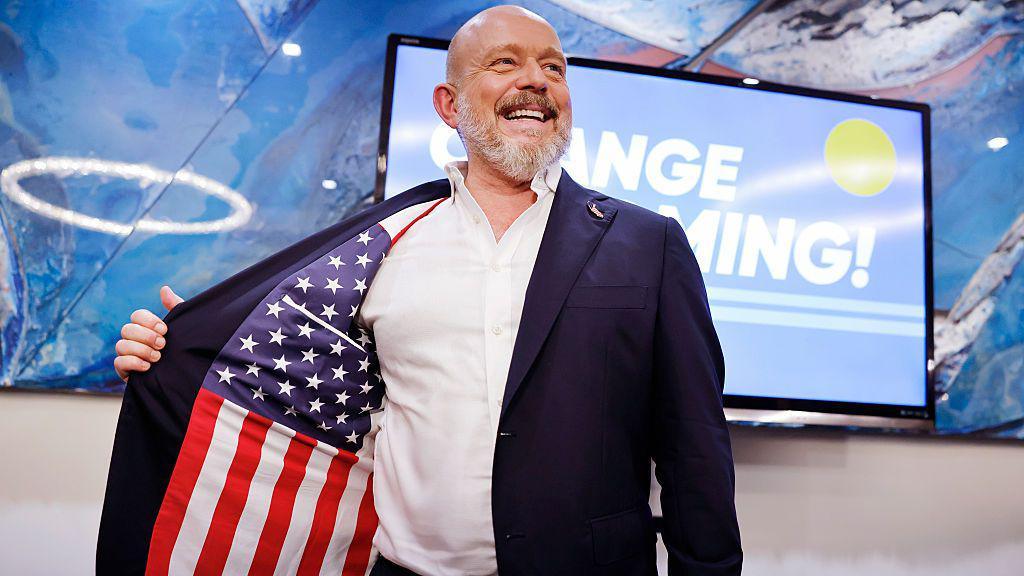
Randy Villegas, a progressive Democrat backed by Senator Bernie Sanders, has won his primary election and will face Republican Representative David Valadao in California's November general election. The outcome represents a setback for establishment Democratic Party organizations that had opposed his candidacy.
Villegas secured his spot in the general election despite facing approximately $2 million in spending from opponents during the primary campaign. His advancement in the swing district sets up a matchup that has drawn national attention, as the seat is considered competitive in the broader fight for control of the House of Representatives.
The result has triggered tension within the Democratic Party. House Democrats are threatening to withhold dues from the Democratic Congressional Campaign Committee following what some have called the party's mishandling of the California race. The internal dispute reflects broader disagreements about candidate selection and campaign strategy.
Valadao currently holds the seat in a district where both parties see an opportunity. The Republican incumbent will now prepare for a general election challenge from a candidate positioned to the left of what many Democratic Party officials had preferred. The race will test whether a progressive platform can win in a swing district that has alternated between parties in recent election cycles.
The November election will help determine which party controls the House. Both national parties are expected to invest resources in the district as part of their strategies to gain or maintain a majority. Villegas will need to build a coalition that can win in a competitive general election environment while maintaining support from the progressive voters who backed him in the primary.
The primary victory demonstrates the growing influence of the progressive wing within the Democratic Party, even as establishment figures attempted to block Villegas's nomination. Despite being outspent significantly by opposition groups, Villegas mobilized enough support among Democratic voters to secure the nomination.
Party insiders had favored other candidates they believed could perform better in a general election against Valadao. The preference for a more moderate Democrat reflected concerns about electability in a district that leans competitive rather than safely Democratic. However, primary voters rejected this guidance and selected Villegas instead.
The conflict over the California race signals deeper divisions within the Democratic Party about its direction and strategy. Some within the party view progressive candidates as energizing the base, while others worry that candidates further left will struggle in swing districts needed for House control.
As Villegas prepares for November, he faces the challenge of winning over independent voters and moderate Democrats who may not have supported him in the primary. Simultaneously, he must consolidate support among the progressive voters who delivered his primary victory. The general election will provide a clear test of whether his message resonates beyond the Democratic primary electorate.