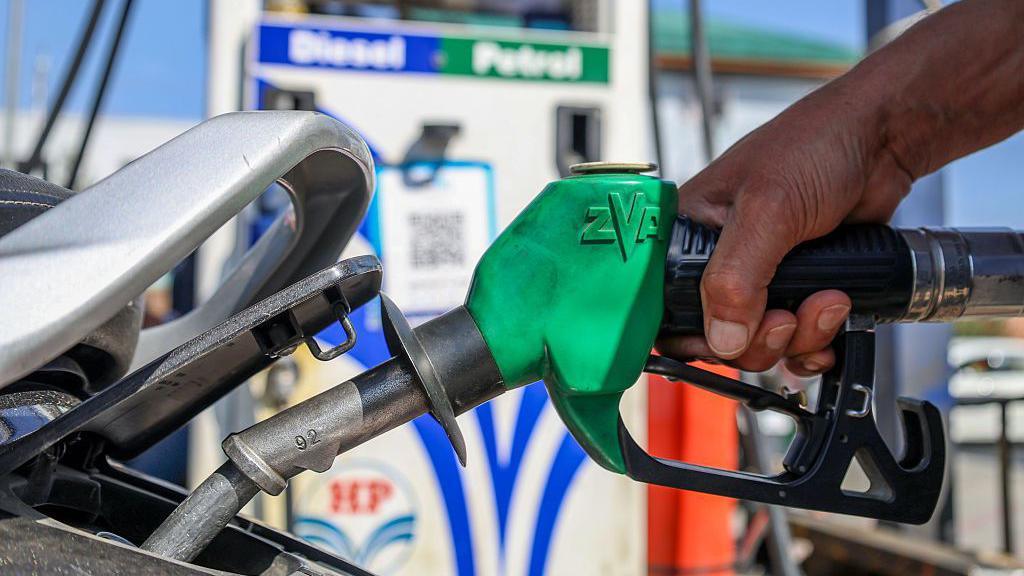
Average gasoline prices across the United States fell below $4 per gallon for the first time in months following a U.S.-Iran agreement to reopen the Strait of Hormuz. The decline reflects investor confidence that the critical shipping route will soon resume normal operations after being blocked during the conflict that began on February 28.
Oil prices responded sharply to news of the deal. Brent crude futures, the global oil benchmark, fell to $82 a barrel, down from prices that had soared during the energy crisis. Stock markets rallied on the announcement, with Japan's Nikkei rising nearly 3% and Europe's Stoxx 600 index gaining 1%. The pound strengthened to its highest level since mid-May, while gold climbed 1.46% to $4,574 an ounce.
The Strait of Hormuz serves as a vital chokepoint for global oil shipments, with a substantial portion of the world's petroleum exports flowing through the waterway. Its de facto closure for more than 100 days created the greatest recorded disruption to global energy supplies in recent history. The blockade sent fuel costs soaring worldwide and triggered concerns about prolonged supply constraints.
However, analysts cautioned against excessive optimism. Warren Patterson, head of commodities strategy at ING, told Reuters: "We've been at this stage before, only for talks to break down. Therefore, the market will likely be more cautious about overreacting." Giovanni Staunovo, a UBS analyst, noted that while the agreement offers hope, physical oil flows through the strait remain restricted.
Even with the agreement in place, a full return to normal oil supplies will take time. Analysts expect that damaged energy infrastructure in the region requires months to repair. Wholesale gas prices fell about 6% following the deal announcement, but oil prices remain substantially higher than pre-conflict levels, when Brent crude traded around $70 per barrel.
The agreement addresses broader economic concerns beyond energy markets. Inflation fears have risen significantly due to higher oil and gas costs, as well as increased prices for materials including fertilizer, which is expected to drive food prices higher. The Bank of England held interest rates steady, warning that the Middle East disruption remained a major source of economic uncertainty. Prior to the conflict, central banks anticipated rate cuts, but the energy shock reversed those expectations, with markets now predicting rate increases.
Stephen Innes, an independent analyst, described the market reaction: "The market response made perfect sense given how much inflation fear and hawkish rate pricing had been embedded into the curve during the recent energy shock."
The reopening of the strait could provide relief to household budgets and potentially ease some of the broader inflationary pressures affecting economies worldwide, though energy markets will continue monitoring developments in the Middle East to assess whether supply improvements can be sustained.