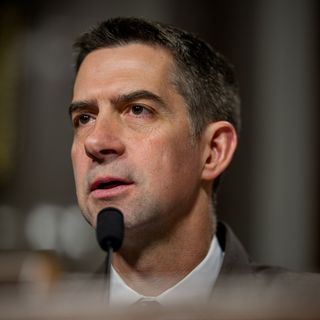
A confirmation hearing for Jay Clayton, President Trump's nominee for director of national intelligence, remained scheduled for Wednesday afternoon despite Trump's announcement earlier in the day that Republicans had cancelled it. Sen. Tom Cotton (R-Ark.) said the hearing would proceed as planned unless circumstances changed.
Trump announced Wednesday morning that Republicans were cancelling Clayton's confirmation hearing, linking the decision to Democratic opposition to extending the Foreign Intelligence Surveillance Act and demanding the confirmation of Clayton's replacement as U.S. attorney. The president said acting intelligence chief Bill Pulte would remain in the position for now.
Clayton was nominated to replace Tulsi Gabbard as DNI. His nomination has been viewed as an attempt to reduce friction between the White House and Senate Republicans following Trump's decision to appoint Pulte as acting intelligence chief. The Senate had been aiming to fast-track Clayton's confirmation.
The confusion over the hearing's status added to uncertainty surrounding the intelligence chief position. Cotton indicated that proceedings would continue unless new developments emerged. The Senate had originally scheduled the confirmation hearing as part of efforts to resolve the standoff over the intelligence leadership position.
The dispute involves multiple issues including the reauthorization of foreign intelligence surveillance authorities and the confirmation of Clayton's successor in his current role. Trump's statement tied these separate confirmation and legislative matters together as he sought to pressure Democrats on voting legislation.