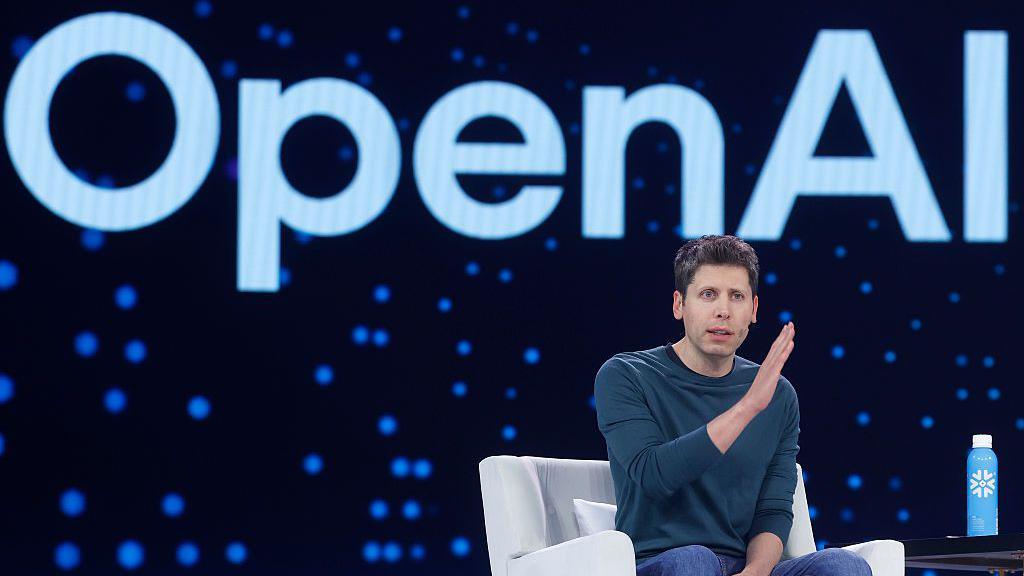
OpenAI has confidentially filed paperwork with US regulators for an initial public offering, marking a significant step toward a Wall Street debut. The filing comes more than a week after competitor Anthropic submitted its own IPO documents, intensifying the race between the two artificial intelligence giants to access public markets.
The company announced its confidential S-1 filing in a blog post, noting that "we expect it to leak so we're just announcing it." OpenAI is expected to be valued at more than $850 billion, making it one of the most highly valued listings in market history. The filing allows the company to prepare for a public debut while keeping financial details private during the regulatory review process.
The timing reflects the broader competition among AI companies seeking capital to fund expensive model development and infrastructure costs. Anthropic filed for its IPO on June 1st after announcing a $65 billion funding round that valued the company at $965 billion, momentarily leapfrogging OpenAI to become the world's most valuable startup. Anthropic's valuation represented a significant jump from its $380 billion valuation in February.
Both companies emphasized that their IPO filings do not guarantee immediate public debuts. OpenAI stated it has "not decided on timing yet; it may be a while because there are things we want to do that are likely easier as a private company." Anthropic similarly noted that going public "will depend on market conditions and other factors," with the company expected to potentially go public as early as fall 2026.
The confidential filing process, which both companies are using, allows the SEC to review financial disclosures before the investor prospectus becomes public. This approach has become standard for major firms preparing for large debuts, with SpaceX also using the same method as it seeks a stock market float at a valuation of approximately $1.75 trillion.
OpenAI's corporate structure has drawn investor attention and raises questions about how its unique governance model will translate to public markets. The company operates as a capped-profit entity controlled by a nonprofit board, a structure designed to balance commercial interests with stated safety and transparency goals.
The IPO filings underscore the rising financial stakes in the AI sector. Beyond OpenAI and Anthropic, SpaceX and other major AI-focused companies are pursuing public listings this year. Market conditions, regulatory approval, and investor appetite will all influence the final timing and terms of any eventual offerings. The confidential filing process provides flexibility while these companies work through regulatory requirements and assess optimal market conditions for their debuts.