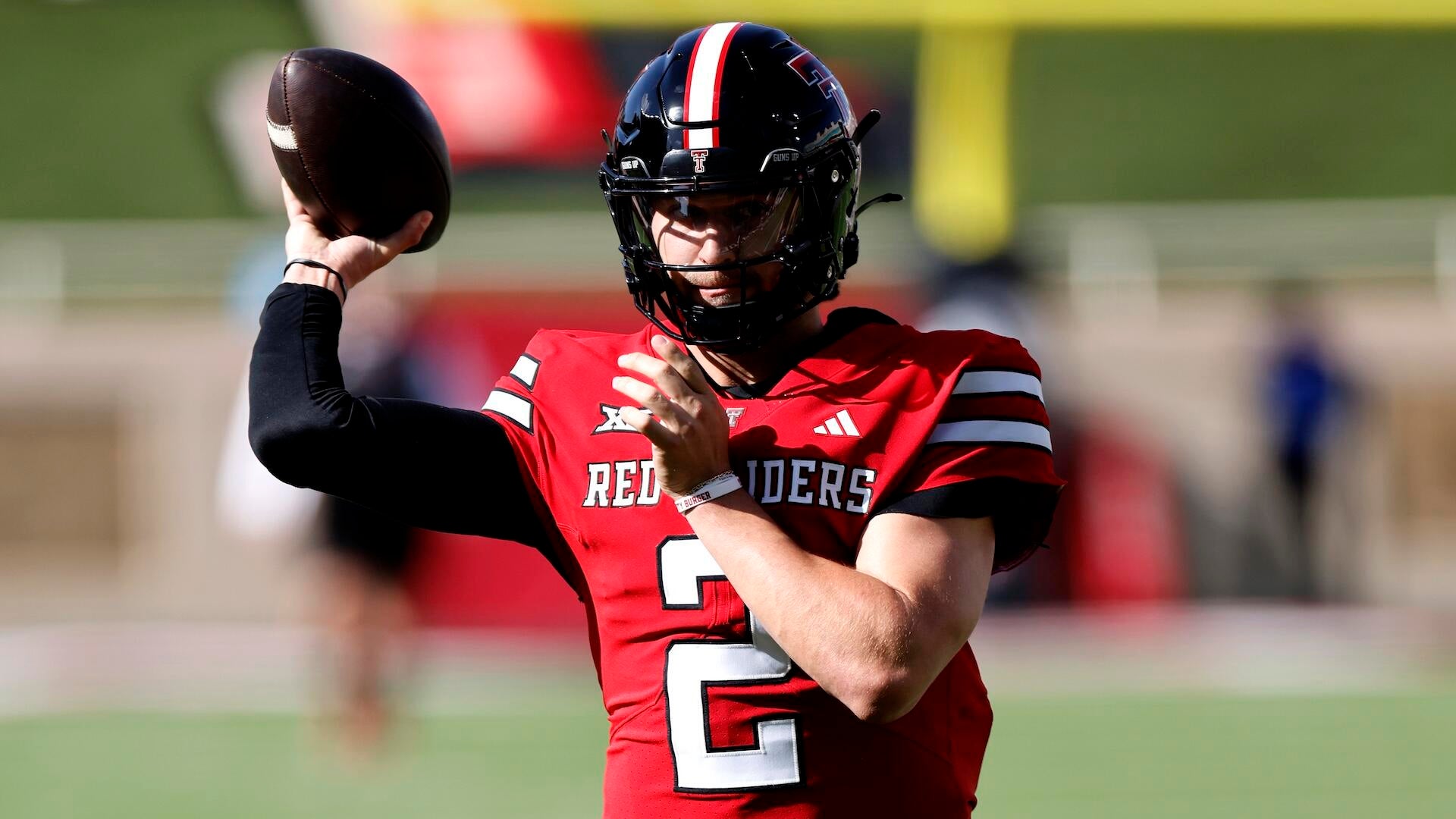
A judge ruled that Texas Tech quarterback Brendan Sorsby can play for the Red Raiders despite an NCAA ban for gambling on his own teams. The decision has sent shockwaves through college athletics, prompting coaches and athletic directors across the country to express disgust and dismay.
The ruling overturns an NCAA suspension that was imposed after Sorsby admitted to placing bets on games involving teams he played for. The NCAA had sought to bar him from competition, citing violations of rules that prohibit athletes from wagering on any sport in which the NCAA conducts championships. The judge's decision to grant Sorsby eligibility has raised questions about the enforcement of gambling regulations in college sports.
The backlash from the college sports community has been swift and severe. Coaches and athletic directors described themselves as disgusted and stunned by the ruling. Georgia and Nebraska have announced they will ban their teams from scheduling Texas Tech in response to the decision, a rare move that reflects the depth of opposition to allowing Sorsby to compete. The Athletic reported that multiple schools are considering similar actions.
The case comes at a sensitive time for college athletics, as sports betting has expanded rapidly across the United States in recent years. The NCAA has worked to strengthen its gambling policies and educate athletes about the risks and rules surrounding betting. Critics of the ruling argue that allowing Sorsby to play undermines those efforts and sets a troubling precedent for how gambling violations are handled.
The decision raises broader questions about the future of college football and the integrity of competition. With some schools now refusing to face Texas Tech, the ruling could have ripple effects on scheduling and conference relationships. Sorsby's case has become a flashpoint in ongoing debates about athlete conduct, enforcement consistency, and the role of courts in overriding athletic association decisions.