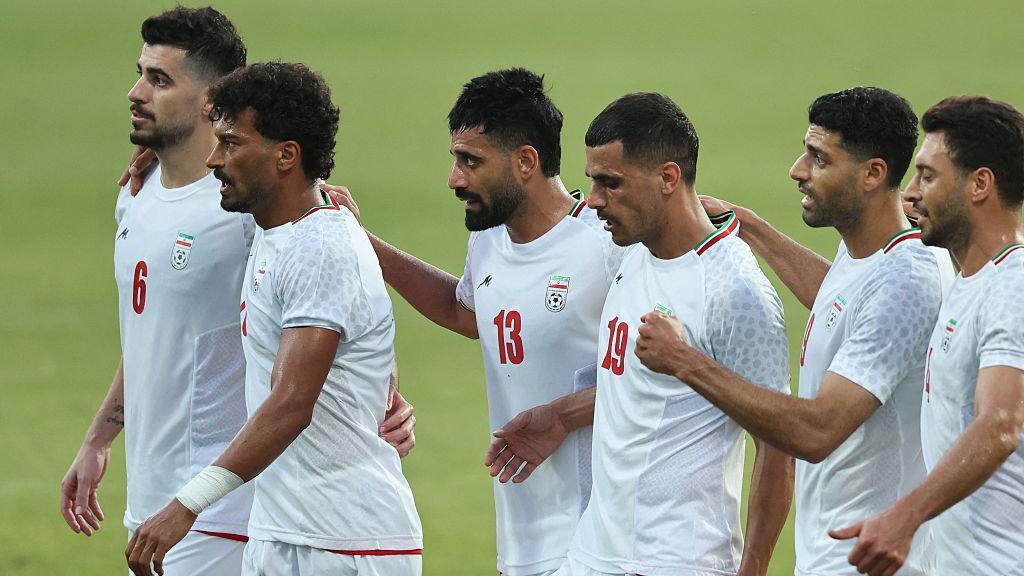
FIFA has revoked the ticket allocation for Iran fans planning to attend their national team's three World Cup group stage matches in the United States, Iran's football federation announced Tuesday, just days before the tournament begins.
The Iranian federation said it had already started selling tickets to supporters for the matches but could no longer provide them. The decision affects fans who had made travel plans to attend Iran's games in Los Angeles and Seattle.
Iran is scheduled to play New Zealand in Los Angeles on June 15, followed by Belgium in the same city on June 21. The team will then face Egypt in Seattle on June 26. In a statement, the Iranian federation said the ticket revocation "raises questions about interference of non-sporting considerations."
FIFA has not publicly detailed its reasoning for the ticket allocation reversal. The decision comes as security concerns surrounding the tournament have drawn increased attention from federal authorities.
Counter-terrorism experts have warned that the 2026 World Cup faces heightened security risks, citing vulnerabilities amplified by tensions between the United States and Iran. The tournament will span six weeks with 104 matches across the United States, Canada, and Mexico, with 78 matches taking place in American cities including Atlanta, Boston, Dallas, Houston, Kansas City, Los Angeles, Miami, Philadelphia, the San Francisco Bay Area, Seattle, and East Rutherford, New Jersey.
The sheer scale of the tournament presents unprecedented security challenges. The final match at MetLife Stadium in East Rutherford will be designated a "national special security event," triggering a centralized federal operation led by the United States Secret Service. Other matches will receive a special event assessment rating, the two highest risk rankings for events.
According to counter-terrorism experts, the greatest concern centers on so-called "soft targets" including hotels, transportation hubs, and fan gatherings across the country rather than the hardened stadiums themselves. All 11 host cities will feature official FIFA fan festivals with large-screen broadcasts, concerts, and entertainment. Thousands of additional watch parties at bars and venues throughout the host countries will create crowds well beyond stadium grounds.
Experts have emphasized that vulnerabilities include potential drone attacks and coordination challenges among federal, state, and local law enforcement agencies responsible for security. The Department of Homeland Security has allocated 625 million dollars to support security and emergency preparedness for the World Cup.
An FBI spokesperson stated that planning has been underway for many months and the agency continues working with federal, state, and local law enforcement partners. The Department of Homeland Security said it is working to identify and mitigate potential threats to World Cup matches, fan events, and the travel sector, which will experience a dramatic increase in traffic during the tournament.