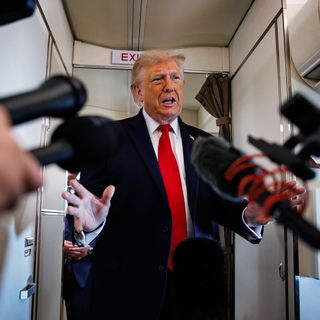
President Trump has proposed that the U.S. government acquire small ownership stakes in major artificial intelligence companies, allowing the American public to benefit financially from what he expects will become trillion-dollar enterprises.
"There's something very interesting about it, where it almost becomes a partnership with the American public," Trump said to reporters aboard Air Force One. "It's like you make them [partners] in this revolution. It would be a beautiful thing. ... It would make 'em rich."
Trump indicated he has raised the concept during recent meetings with AI company leaders, describing their reactions as surprised. The idea would represent a significant shift from traditional government-industry relationships, establishing direct financial connections between federal authorities and private technology firms developing artificial intelligence.
The proposal aligns with existing advocacy from influential figures in the tech sector. OpenAI CEO Sam Altman has previously championed similar arrangements. This week, Senator Bernie Sanders revived the discussion by proposing that the public receive a direct ownership stake in major AI companies through a one-time 50 percent tax paid in stock.
The concept raises several unresolved questions about practical implementation. Details remain unclear regarding how ownership stakes would be structured, what percentage of companies the government would acquire, and the mechanisms for distributing any resulting profits to taxpayers. Trump has not specified whether he would pursue the idea through executive action or request congressional approval.
The timing of Trump's suggestion comes as artificial intelligence companies have attracted enormous investment and as policymakers grapple with regulating the rapidly advancing technology. The notion of federal ownership in private AI firms introduces potential complications, particularly regarding the government's multiple roles as investor, regulator, and national security overseer of the industry.
Federal ownership stakes could create significant conflicts of interest. The government would need to balance its financial interests in company growth and profitability against its regulatory responsibilities and obligations to protect national security. These competing interests might affect policy decisions related to AI development, safety standards, and international competitiveness.
The proposal also raises governance questions about how the government would exercise its ownership stake and whether federal representatives would serve on company boards. Such involvement could influence strategic decisions at some of the world's most important technology companies.
Industry observers note that the concept differs from traditional government support mechanisms like grants or tax incentives. It would tie public finances directly to the success of specific private companies, creating unprecedented arrangements in the technology sector.
As AI technology continues advancing rapidly and companies in the space command increasing valuations, the conversation about how the public should benefit from this growth appears likely to intensify. Trump's public endorsement of the idea suggests it may receive serious consideration within his administration going forward.