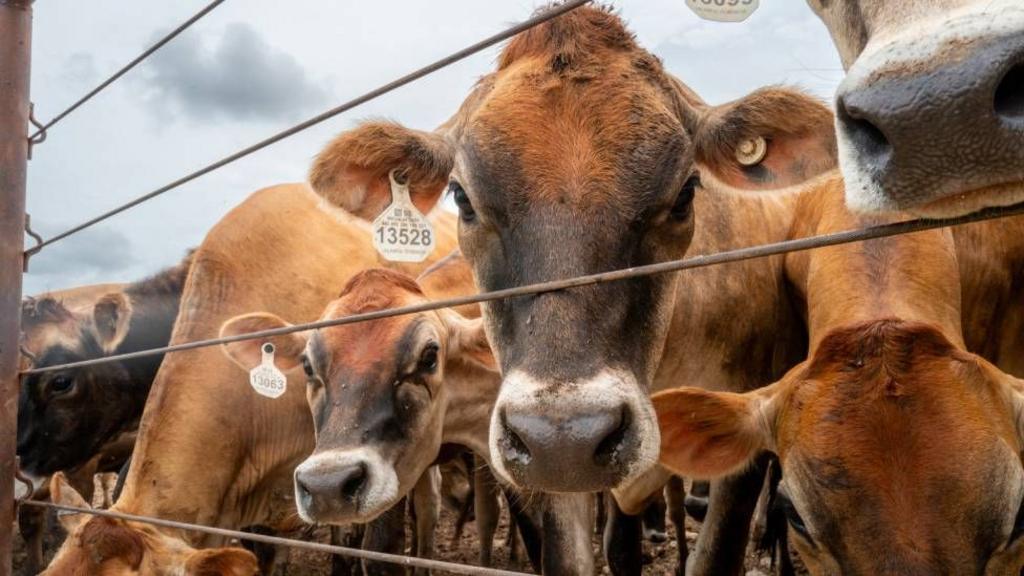
A flesh-eating screwworm parasite detected in Texas has prompted Canada to ban cattle imports from the state and triggered concerns across neighboring states. The screwworm, which has not been found in the United States in decades, lays eggs in open wounds on livestock. The larvae then consume living tissue, creating severe injuries that can kill animals if untreated.
Texas cattle ranchers are facing economic losses as international and domestic trade restrictions take effect. Mexico has seen its beef industry benefit from the closure, with increased demand as buyers seek alternative sources. The outbreak comes as ranchers already contend with drought conditions that have strained the industry.
Colorado officials said they are monitoring the situation closely after the parasite was confirmed in Texas. Utah officials also expressed concern about the potential spread of the parasite northward. The screwworm was eradicated from the United States through a decades-long program that released sterile male flies to disrupt breeding cycles.
The current outbreak marks the first detection of the parasite in the country in recent decades, raising questions about how it returned and whether the eradication program needs to be reactivated. Agricultural officials have not yet announced plans for containment or treatment programs.
The economic impact on Texas ranchers could extend beyond immediate trade losses if the outbreak spreads or if additional states and countries impose import restrictions. Screwworm infestations can devastate livestock populations quickly, as the parasites reproduce rapidly in warm climates and can infest any warm-blooded animal with an open wound.