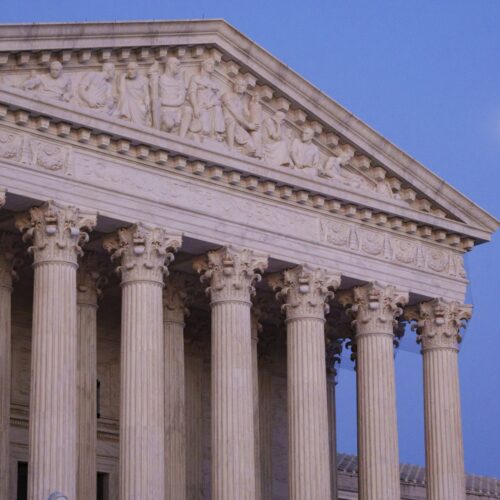
The Supreme Court has sided with the Federal Communications Commission in a dispute with AT&T and Verizon over penalties for selling customer location data. The justices issued an 8-1 decision on Thursday that rejects the carriers' argument that they had a constitutional right to a jury trial before facing the fines.
The case centered on whether the FCC violated the carriers' Seventh Amendment protections when it imposed penalties through its own administrative process rather than allowing the companies to be tried by a jury. AT&T and Verizon argued that the agency's in-house proceedings for determining and collecting fines stripped them of their constitutional rights.
The Supreme Court disagreed. The majority found that the FCC's system for levying penalties does not deprive the companies of jury trial protections in a way that violates the Constitution. Only one justice dissented from this conclusion.
The ruling represents a significant win for the Trump administration, which backed the FCC's position in the case. By upholding the agency's enforcement framework, the court has preserved the FCC's ability to punish telecommunications companies for privacy violations without the procedural requirements that would come with jury involvement.
The fines themselves stem from FCC enforcement actions against AT&T and Verizon for their practice of selling customer location information to third parties without proper consent. Privacy advocates have expressed concern about this practice for years, noting that carriers were transferring sensitive data about where customers traveled to data brokers and other companies.
The decision has broader implications for federal regulatory enforcement. By affirming the FCC's authority to impose financial penalties through administrative proceedings, the court has validated the agency's approach to enforcing privacy protections in the telecommunications industry. This allows the FCC to pursue similar enforcement actions against companies without facing constitutional challenges based on jury trial rights.
The case reflects ongoing tensions over how telecommunications companies handle customer data and what obligations they have to protect privacy. The court's decision suggests that companies cannot use jury trial arguments to shield themselves from regulatory penalties for violating privacy rules.
The ruling also underscores the Supreme Court's view that constitutional jury trial protections, while important, do not necessarily extend to regulatory enforcement proceedings in the same way they do to traditional civil litigation. This distinction means that federal agencies like the FCC can continue using their administrative processes to sanction companies for rule violations without needing to provide jury trials.
The decision comes as privacy concerns remain high among consumers and policymakers regarding how telecommunications companies handle location data and other sensitive information about their customers.