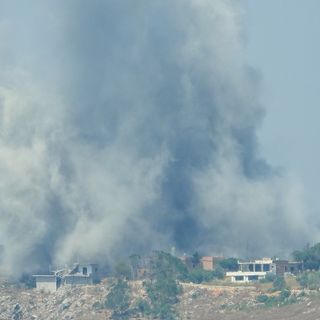
Israel and Lebanon have agreed to implement a full ceasefire, according to a joint statement from the United States, Israel, and Lebanon. The agreement requires Hezbollah to halt all attacks and withdraw its operatives from the area south of the Litani River in Lebanon.
Hezbollah had previously indicated it would agree to a full ceasefire, but uncertainty remained about whether the militia would accept the specific terms negotiated by Israeli and Lebanese governments. The Litani River is located in southern Lebanon, roughly 30 kilometers north of the Israeli border.
The ceasefire marks a significant moment in regional conflict. A full ceasefire in Lebanon has been identified as one of the key demands Iranian officials have made as part of ongoing negotiations with the Trump administration on an agreement for ending the war.
The timing of the agreement came after President Trump intervened to halt Israel's planned military operations. On Monday, Trump stopped Israel from launching massive strikes on Beirut in retaliation for Hezbollah's drone and missile attacks.
However, the agreement almost immediately faced challenges. Within hours of the ceasefire announcement, Israeli drone strikes killed eight people in the south, including a father and two children, and damaged a hospital. Hezbollah continued launching rockets and drones in response.
The strikes raised questions about Israel's commitment to the ceasefire. According to reporting, Israel had been informed of the broader ceasefire deal with Iran only at the last minute and was reportedly unhappy with the agreement. Israeli officials appear to believe they have approximately two weeks to continue operations in Lebanon while talks between Iran and the US continue.
The massive Israeli strikes on Lebanon, which killed over 300 people according to reporting, drew widespread international condemnation. Iranian President Masoud Pezeshkian said the Israeli strikes violated the ceasefire agreement and would render negotiations meaningless. Senior Iranian figures warned of a response against Israel.
The situation has created tensions in the United States Congress as well. House Democrats and Republicans clashed over a Lebanon war powers resolution introduced by Representative Rashida Tlaib. The dispute sparked heated debate on the House floor, temporarily halting proceedings for over an hour.
Observers have noted the tension between Trump's efforts to exit the broader conflict with Iran and Israel's continued military operations in Lebanon. Some analysts suggest Israel's strikes could undermine the ceasefire overall and keep the United States trapped in a conflict it now seeks to exit.
The success of the ceasefire will depend on Hezbollah's compliance with the withdrawal requirements and whether Israel respects the terms of the agreement. Implementation challenges remain significant given the recent escalations and competing interests among the parties involved.