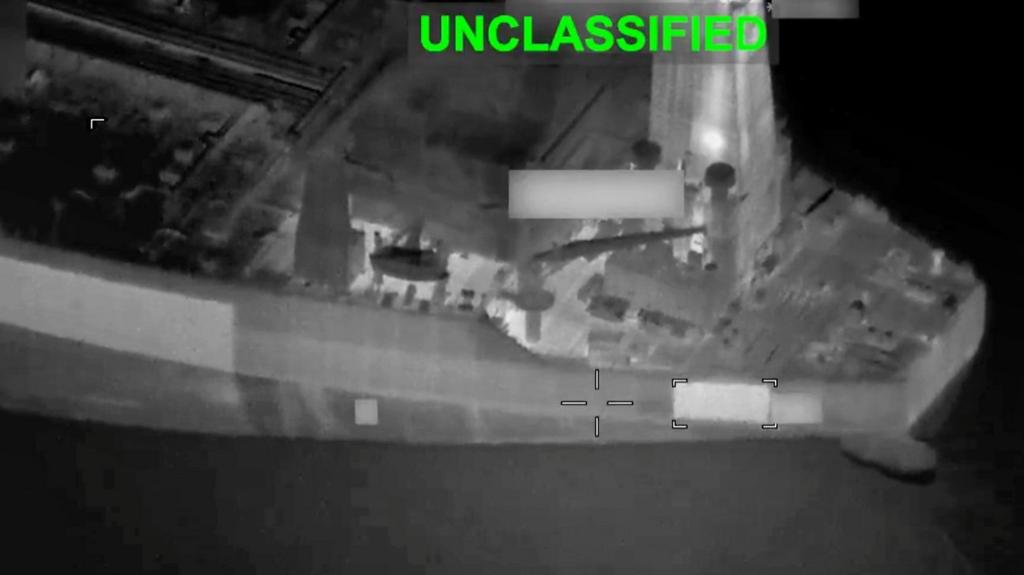
Iran launched missile and drone attacks against Kuwait and Bahrain, prompting the U.S. military to strike back at an Iranian facility. The exchange marks the latest confrontation in a conflict now entering its 96th day.
According to U.S. military statements, the Iranian missiles either malfunctioned or were intercepted by air defense systems. However, Kuwait reported that its international airport sustained significant damage from Iranian drone strikes, forcing authorities to suspend all air traffic. The closure of this major Gulf hub disrupts both domestic and international flights across the region.
The American response targeted an Iranian facility, though U.S. officials have not disclosed the specific location or details about the target. The strikes represent another cycle of attacks between the two nations even as diplomatic discussions aimed at de-escalation continue.
The new attacks have complicated ongoing peace negotiations and raised concerns about whether talks can succeed. The conflict has extended over three months with periodic exchanges of fire between U.S. forces and Iranian military units throughout the Persian Gulf region.
Both Kuwait and Bahrain are close American allies that host U.S. military installations. The targeting of these countries underscores the regional scope of the confrontation and the involvement of nations beyond Iran and the United States. The damage to civilian infrastructure, particularly Kuwait's airport, represents an expansion in Iranian strike patterns during the conflict.
The strikes have triggered market volatility, with oil prices rising sharply in response. Concerns about potential disruptions to shipping through the Strait of Hormuz have contributed to the instability in energy markets. The confrontation between the two powers threatens critical global trade routes and energy supplies that affect economies worldwide.
The extent of damage in Bahrain from Iranian missile fire was not immediately reported. Kuwait's airport closure, however, marks a significant disruption to the civilian population and regional commerce. The targeting of infrastructure beyond military installations suggests a broadening scope of the conflict.
Iranian missiles and drones have become increasingly prominent in the attacks, with the U.S. military noting that some projectiles were unsuccessful. The response from American forces indicates a commitment to defending regional allies and responding to Iranian aggression.
As both nations continue their military operations, the viability of diplomatic efforts remains uncertain. The cycle of attacks and counterattacks shows little sign of slowing, despite ongoing negotiations. The involvement of key regional allies and the damage to civilian infrastructure raise the stakes for all parties involved in finding a resolution to the escalating tensions in the Persian Gulf.