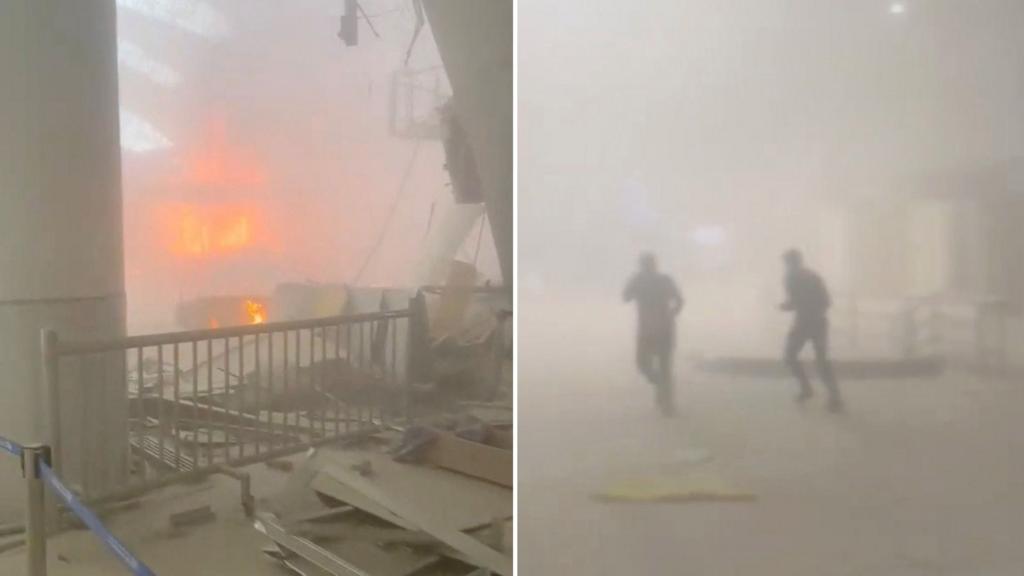
The US and Iran traded fire in what marks the most serious test yet of their month-long ceasefire agreement. Iranian forces launched multiple missiles, drones, and small boats at three American destroyers transiting the Strait of Hormuz on Thursday evening, prompting a military response from US Central Command.
According to the US military, no American assets were damaged in the Iranian attack. US forces intercepted the incoming threats and struck back at Iranian military facilities responsible for the assault, targeting missile and drone launch sites, command centers, and surveillance operations.
Iran's military disputed the American account, accusing the US of violating the ceasefire first by targeting an Iranian oil tanker and another vessel in the strait. Iranian officials claimed the US conducted airstrikes on civilian areas along the Iranian coast, including the island of Qeshm, which is home to approximately 150,000 people and a water desalination plant. Iran's military said their forces responded by attacking US military vessels, claiming to have inflicted significant damage.
The confrontation also included attacks on Kuwait's main airport. Iran said these strikes were retaliation for earlier US military action against Iranian targets. Kuwait briefly shut its main airport after Iranian drones struck a passenger terminal.
President Donald Trump characterized the exchange as a minor incident, calling the Iranian attack a "love tap" during remarks to reporters. He said American forces "blew them away" in response and described the situation as manageable. Trump remained optimistic about diplomatic prospects, stating that a deal "might not happen, but it could happen any day" and claiming Iran wanted an agreement more than his administration did.
The military exchange comes amid stalled peace talks between the two nations. Before Thursday's fighting, reports indicated the US and Iran may have been close to a temporary agreement to halt hostilities, with a one-page memorandum being shared between Washington and Tehran through Pakistan. However, senior Iranian officials have recently rejected concessions, with some favoring extended negotiations closer to the US midterm elections in November.
The US has been pressuring Iran to reopen the Strait of Hormuz, enforcing a naval blockade of Iranian ports. Earlier in the week, the military said it had destroyed six Iranian small boats, cruise missiles, and drones while guiding stranded tankers through the waterway in an operation Trump called "Project Freedom."
Regional diplomats believe the current moment could offer an opportunity to conclude the conflict, though they also warn that Iran risks overplaying its hand. They note that if no agreement is reached, the US could unilaterally end the war, leaving Iran facing continued economic sanctions.