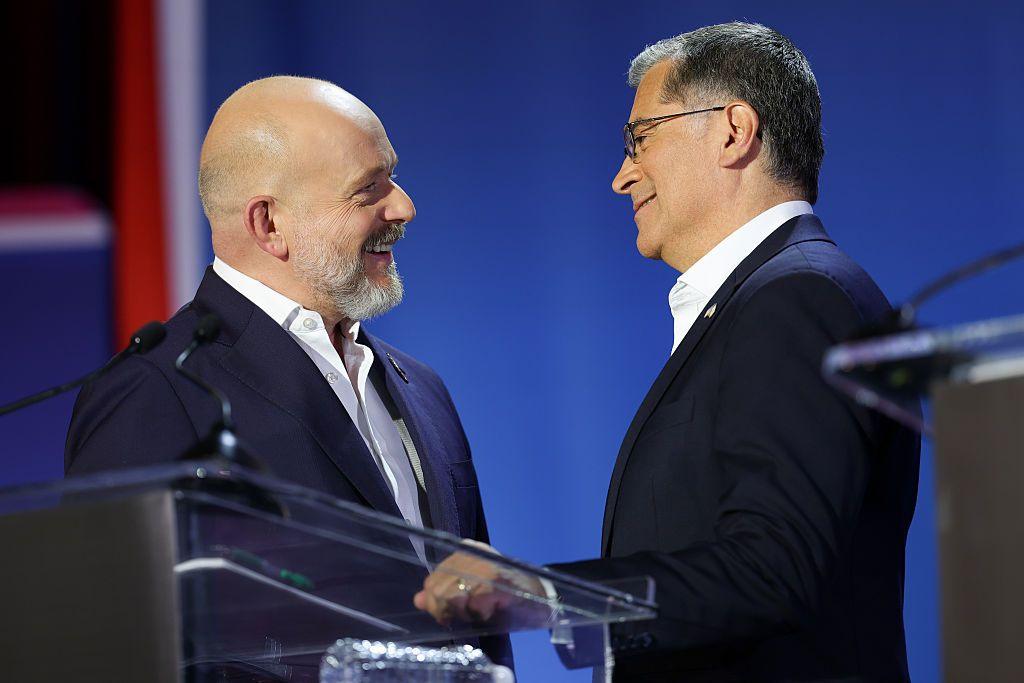
Zach Lahn won the Republican primary for Iowa governor on Tuesday, defeating Randy Feenstra, a congressman who had secured Donald Trump's endorsement. The result marks the first time since March that a Trump-backed candidate has lost a primary election.
Feenstra, who represents Iowa's 4th congressional district, finished in second place despite the former president's support. Lahn emerged victorious in a five-candidate race, positioning himself to face Democrat Rob Sand, the state auditor, in November's general election.
The outcome represents a significant moment for Trump's political influence within Republican primary contests. Until Tuesday's elections, every candidate Trump endorsed since March had won their primary races. The Iowa governor's race broke that pattern.
Lahn's victory comes as the Make America Healthy Again movement has been gaining attention within Republican politics. While the source material does not provide specific details about Lahn's policy positions or MAHA alignment, his win may reflect shifting dynamics among Iowa Republican voters.
Iowa has long served as a bellwether state for national political trends. Democrats view the state as competitive this cycle, believing they have strong candidates in the governor's race and three of the state's four congressional districts. The state has been controlled by Republicans for the past decade, but party strategists see opportunities for Democratic gains.
In the Democratic gubernatorial primary, Rob Sand ran unopposed and secured his party's nomination. Sand is currently the last Democrat holding statewide elected office in Iowa.
The governor's race will be one of several competitive contests across the state heading into November. Iowa voters also participated in primaries for the U.S. Senate seat being vacated by Republican Joni Ernst, as well as House races in multiple districts.
The gubernatorial primary results have prompted broader questions about the durability of Trump's endorsement power, particularly as new political movements gain traction within the Republican Party. Observers of national politics are watching whether Trump's influence in primary elections has reached its limits or whether Tuesday's Iowa result represents an isolated incident.
Lahn will campaign against Sand over the coming months. The general election will test whether Iowa voters support the direction signaled by Lahn's primary victory or prefer the Democratic alternative. The race is expected to draw significant attention as one of the competitive gubernatorial contests that could shape the political landscape heading into the 2028 presidential election cycle.
Republicans have held Iowa's governor's mansion since 2011, giving the party a significant advantage in the state's political landscape.