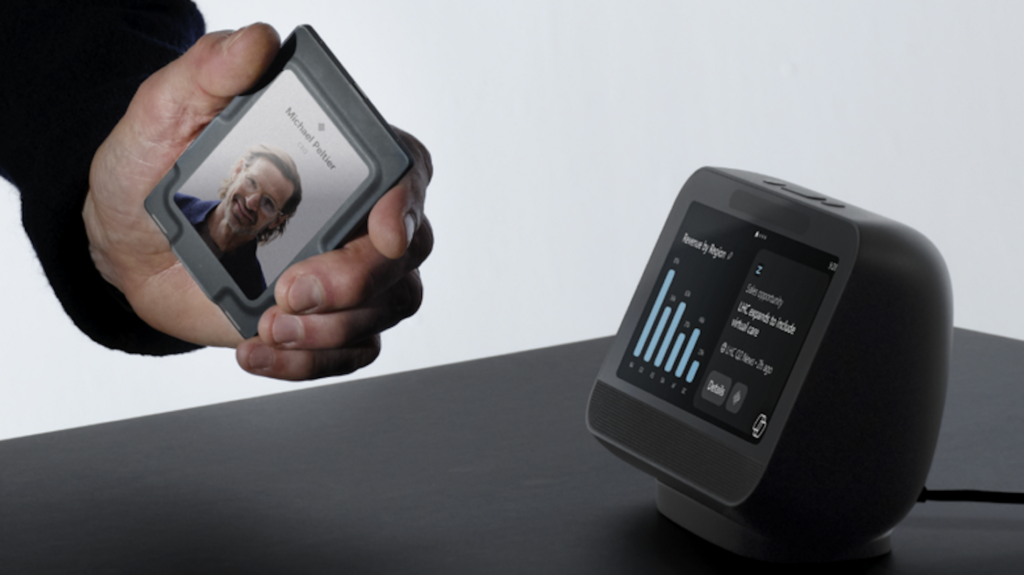
Microsoft is testing a wearable AI device designed for office workers, the company revealed during its Build 2026 developer conference. The device represents the company's latest effort to integrate artificial intelligence into workplace tools and hardware.
The announcement came alongside several software developments, including new Work IQ APIs that aim to help developers build AI-powered workplace applications. Microsoft also introduced Project Solara, an Android-based operating system designed specifically for AI agents rather than traditional apps. This shift reflects the company's vision of software that can act autonomously on behalf of users rather than requiring direct interaction.
Microsoft unveiled new AI models intended to reduce its reliance on OpenAI and lower costs for developers building AI-powered applications. The move comes as the company seeks to balance its high-profile partnership with OpenAI against the need to control its own AI infrastructure and reduce expenses associated with third-party models.
The Build conference focused on positioning Windows as a trusted platform for development. Microsoft emphasized tools and features aimed at developers, including new Linux tools and an RTX Spark desktop environment for Windows developers. These announcements reflect the company's ongoing effort to attract developers across different platforms and ecosystems.
The wearable AI device remains in testing, and Microsoft has not announced a release timeline or detailed specifications. The company's experimentation with wearable technology follows broader industry trends toward integrating AI into everyday devices beyond smartphones and computers. Other major technology companies have also explored AI-powered wearables, though few have achieved widespread adoption in workplace settings.