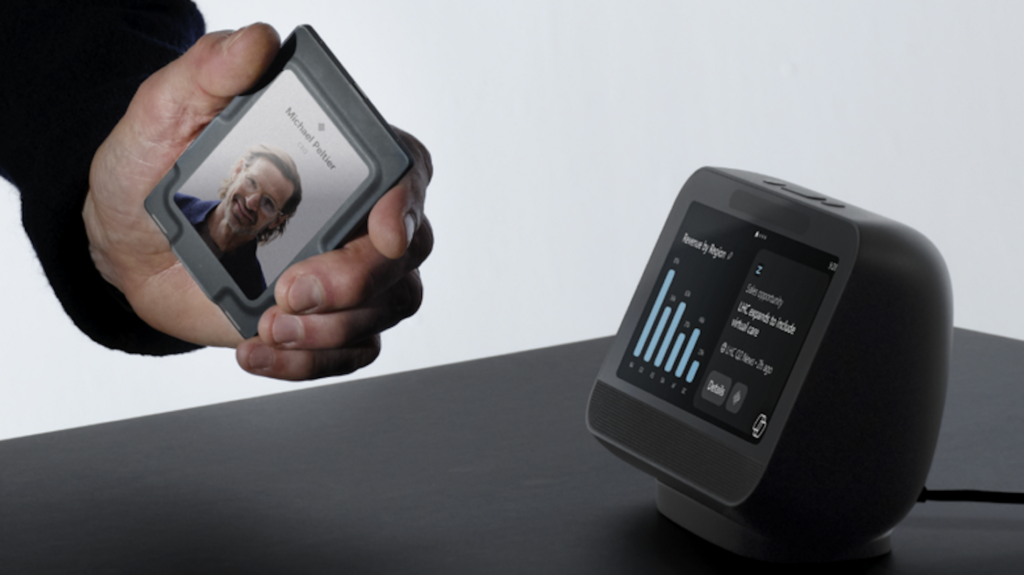
Microsoft announced Scout, a new AI assistant aimed at office workers that operates continuously rather than responding only to specific prompts. Internal documents reviewed by 404 Media show the company wants to make people addicted to the product, which Microsoft is positioning as a personal agent rather than a traditional chatbot.
The assistant was introduced at Microsoft Build, the company's annual developer conference. Unlike conventional AI tools that require users to initiate each interaction, Scout runs persistently in the background and proactively assists with tasks throughout the workday. Microsoft has described Scout as an always-on personal agent that functions like an executive assistant.
The product represents a shift in how Microsoft is approaching AI integration in workplace tools. Rather than limiting AI to discrete tasks or queries, the company is building systems that monitor ongoing work and offer continuous support. This approach mirrors Microsoft's broader strategy of embedding AI capabilities across its product line, though Scout appears designed specifically for sustained engagement.
The revelation about Microsoft's internal goal to create addictive software raises questions about how companies balance user engagement with responsible product design. Documents obtained by 404 Media indicate that making users dependent on Scout is an explicit objective, though Microsoft has publicly framed the product in terms of productivity and convenience. The company has been investing heavily in AI development, including partnerships with OpenAI and efforts to reduce reliance on third-party AI models.
Microsoft also announced other AI-related products at the Build conference, including new AI models intended to lower costs for developers and reduce dependence on OpenAI technology. The company introduced Work IQ APIs and unveiled Project Solara, an Android-based operating system designed around AI agents rather than traditional apps. These announcements suggest Microsoft is pursuing a comprehensive strategy to position AI assistance as central to both personal and enterprise computing.