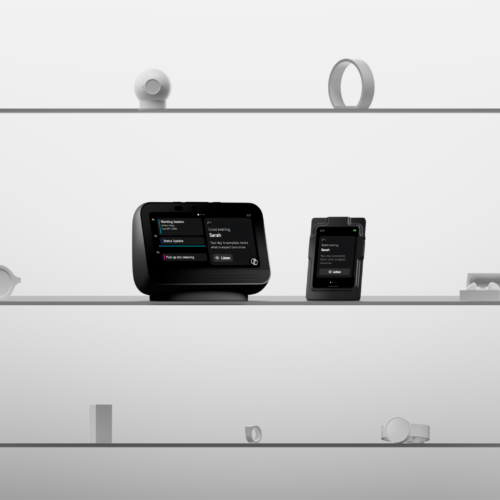
Microsoft has introduced Scout, a new artificial intelligence assistant built to operate continuously rather than respond only to user requests. The tool was unveiled at Microsoft's Build developer conference and represents the company's latest effort to establish a presence in the always-on AI assistant market.
Scout functions as a personal agent modeled after an executive assistant, according to reporting from Bloomberg and TechCrunch. Unlike traditional chatbots that wait for user queries, Scout is designed to remain active and proactively manage tasks and provide suggestions. The system draws technical inspiration from OpenClaw, an AI framework that provides developers with greater control over agent behavior.
The launch reflects Microsoft's broader strategy to integrate AI capabilities throughout its product ecosystem. In recent years, the company has embedded AI features across Microsoft 365 and other platforms. Scout marks a shift toward continuous monitoring and autonomous task management rather than on-demand assistance.
According to internal documents reviewed by 404 Media, Microsoft explicitly discussed strategies around user engagement with Scout. The documents referenced approaches to create habitual dependence on the service, raising questions about the ethics of designing software with addiction-like characteristics in mind. Microsoft has not publicly addressed the language used in these internal planning materials.
Scout will compete with other AI tools in the market focused on task automation and proactive recommendations. The assistant competes in a growing category of always-on AI agents designed to handle complex workflows and provide ongoing support to users.
For developers, Microsoft has also released specifications that allow development teams, compliance officers, and security personnel to define their own policies for how AI agents should behave. These policies can be contained in portable policy files, giving organizations more control over agent deployment and function.
The company has not yet disclosed pricing for Scout or confirmed availability dates. Microsoft has also not specified which platforms will initially support the assistant or provide details about rollout timelines.
Scout's launch comes as the broader AI industry continues rapid development. Anthropic, the company behind the Claude AI model, recently announced plans to offer public share sales later this year as the company's valuation approaches one trillion dollars. Meanwhile, security concerns in the AI space have emerged, including incidents where Instagram's AI chatbot was compromised by hackers, giving unauthorized access to user accounts.
The introduction of Scout signals Microsoft's commitment to the always-on AI assistant category as it positions itself among the leading players developing next-generation AI tools for enterprise and personal use.